
Home › Guides › Your stay in Istanbul
Guide · Step 4 of 5By Klineva · Updated on 5 October 2026 · 16 min read
The date is set, and so is the flight, and one question keeps coming up: what should you do, and above all not do, before a hair transplant? The answer comes down to four habits. Tell the team everything you take, and stop smoking and drinking alcohol at least 2 weeks before the operation. Avoid anything that makes you bleed more (aspirin, anti-inflammatories, certain supplements), without ever stopping a prescribed treatment on your own, then arrive rested, in clothing that opens at the front. This page follows the timeline, from a month before to surgery day, before moving on to the suitcase and the questions to ask your adviser. One rule comes before all the others: your clinic’s instructions take priority over any general list, including this one.

Here is the list in order; each line is explained in more detail below. These milestones are typical, not universal. The ISHRS, the International Society of Hair Restoration Surgery, points out that instructions after the operation vary from one surgeon to another. It adds that you should follow those of the clinic you have chosen rather than what you read on other websites.
| When | The essentials |
|---|---|
| One month before | Doctor, list of your treatments, plane ticket, ID documents; prepare to stop smoking and drinking alcohol. |
| Two weeks before | Stop smoking and drinking alcohol; less intense physical effort; review your supplements and herbal products. |
| One week before | No shaving of your hair or beard; no aspirin or ibuprofen without medical advice, according to your clinic’s timeframe. |
| The day before | A full night’s sleep, a meal of slow-release carbohydrates, no alcohol or stimulants, clothing ready. |
| Surgery day | Still no stimulants, no exercise and no cigarettes, a shirt that opens at the front. |
General guidelines: the exact dates are the ones set by your clinic.

A month before, nothing is urgent, but everything can still be done without rushing.
Make an appointment with your doctor: they know your medical history. According to our pre-operative instruction sheet, the clinic may ask you for a medical certificate confirming there are no contraindications. Blood tests, for their part, are done on site on the second day, before the procedure.
Write down everything you take: prescription and over-the-counter medicines, supplements, herbal products, hair loss products, even a treatment you stopped only recently. The ISHRS is clear: no information should be withheld, out of embarrassment for example. Four situations call for particular attention:
As early as possible, and at least 2 weeks before the operation. That is the timeframe Klineva sets, for tobacco and alcohol alike. Treat it as a minimum, not as a deadline to aim for on the last day. The general guidelines, drawn up for surgery in the broad sense, range from 4 to 8 weeks without tobacco and up to 4 weeks for alcohol. Our page on Sapphire FUE also reminds you to stop smoking and drinking alcohol before and after the transplant.
| What you stop | Guideline before surgery | Source |
|---|---|---|
| Smoking: ideal time to stop | 6 to 8 weeks before | Tabac Info Service (France) |
| Smoking: fewer complications | About 4 weeks or more | WHO (January 2020) |
| Alcohol | Drink less, or even stop, 4 weeks before | CHUM, Montreal (July 2026) |
Guidelines for surgery in general, as noted in October 2026; they do not replace your clinic’s timeframe.
Why? Smoked nicotine narrows the blood vessels: the tissues receive less blood and healing suffers, explains Tabac Info Service. The ISHRS also lists heavy smoking and heavy alcohol consumption among the habits associated with a risk during and after the operation.
If stopping is difficult, tell the team and get help. According to Tabac Info Service, nicotine replacement products are allowed before and after an operation, and there is no consensus on e-cigarettes. The site adds that a tobacco specialist (a smoking-cessation expert) answers free of charge in France on 39 89. As for drugs (cannabis, cocaine), our instruction sheet asks you not to take any; the CHUM, a Montreal hospital, specifies that you should not stop on your own or all at once.

Book your plane ticket as soon as the date is fixed: the hotel and transfers are arranged as part of the 3-day stay. For a French citizen, France Diplomatie (in French) states that a tourist stay of up to 90 days in any 180 does not require a visa. It specifies that the French national identity card or passport must be in good condition (otherwise entry may be refused). Klineva also asks for a document valid for at least 6 months after the date of entry into Turkey. An ID card or passport that expires in five months therefore needs to be renewed before departure. The Turkish ministry also advises six months’ validity. If you hold a different passport (British, Belgian, Swiss, Canadian, etc.), check the website of your own country’s foreign ministry and the visa page of the Turkish ministry.
In the last two weeks, the main thing is to avoid anything that can make you bleed more: certain common medicines, certain supplements, intense physical effort. On that last point, our article on exercise and hair transplants recommends cutting back on, or even avoiding, any intense activity in the two weeks beforehand. Exertion does increase blood flow in the scalp.
| What you take | What to do |
|---|---|
| Aspirin | Not without medical advice, including for a headache: it increases the risk of bleeding, even several days after taking it |
| Ibuprofen and anti-inflammatories | They can slow blood clotting: ask the clinic what you can take if you are in pain |
| Anticoagulants prescribed for a health condition | Do not stop them: any change is decided with the doctor who prescribes them |
| Supplements and herbal products | Report everything: garlic, ginkgo, ginseng and vitamin E can increase bleeding |
| Minoxidil, finasteride | Follow the clinic’s advice: stopping abruptly is generally followed by a significant loss of the hair gained |
Sources: ANSM (French medicines safety agency), Assurance Maladie (French national health insurance), ISHRS, American Society of Anesthesiologists (ASA).
Aspirin is the best known. Its official leaflet, published by the ANSM, the French medicines safety agency, warns that it increases the risk of haemorrhage (in French), even when the last dose was taken several days earlier. The leaflet also asks you to tell your doctor or surgeon as soon as any surgical procedure, even a minor one, is planned. According to the summary of product characteristics for ibuprofen, also published by the ANSM, this medicine can temporarily inhibit platelets, the blood cells involved in clotting. The ISHRS specifies that the patient is asked to suspend aspirin for a certain time before and after the transplant. Our pre-operative instruction sheet asks you not to take aspirin or ibuprofen in the days beforehand. Ask your adviser from when, and what you can take for pain or fever.
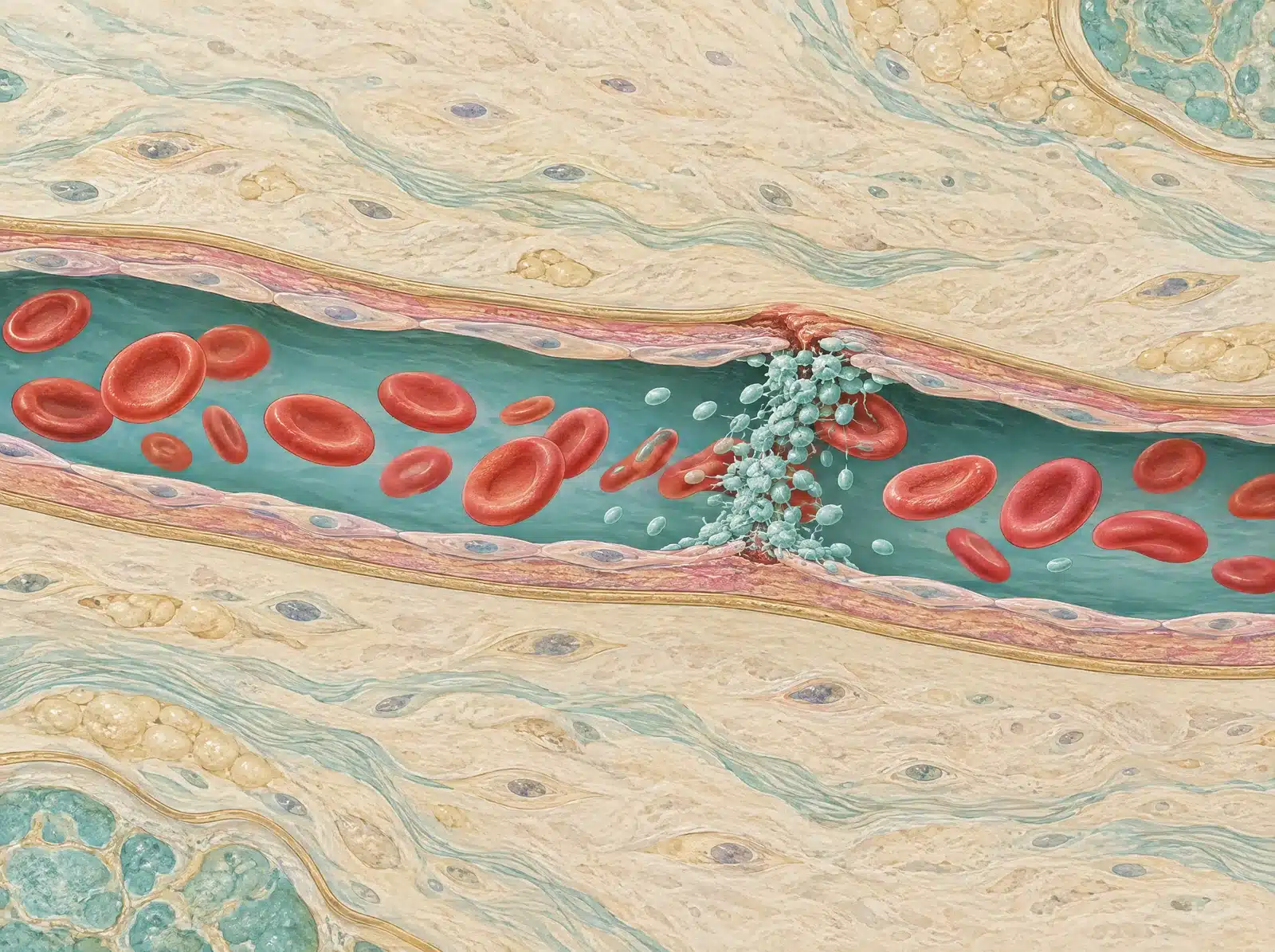
If you take an anticoagulant because you have a health condition, do not stop it. Conversely, if you do not take one, do not take a blood thinner just before the transplant, even for a headache. You do not need one. In general, France’s national health insurance body Assurance Maladie (in French) explains that anticoagulant treatment may have to be interrupted a few days before a procedure, under the supervision of the doctor treating you. The ISHRS describes the same process for warfarin, an anticoagulant: a blood test measures clotting (the INR). It is the doctor managing the treatment who can agree to suspend or adjust it, in consultation with the transplant specialist. If this applies to you, say so from your very first exchange with the clinic, not on arrival in Istanbul.
A fact sheet from the American Society of Anesthesiologists (ASA, 2020) lists garlic, ginkgo, ginseng and vitamin E among the products that can increase bleeding. It lists kava, St John’s wort and valerian among those that can strengthen or prolong the effects of anaesthesia. The anaesthetist may ask you to stop supplements at least two weeks beforehand, and you must declare all the ones you take. On the Sapphire FUE page, we also ask you to avoid herbal supplements, such as green tea. Show the label of each supplement to your doctor or adviser: it is for them to say which ones to set aside.

Should you stop minoxidil or finasteride before the operation? That is decided with the clinic and your doctor. The ISHRS points out that medical treatment can be combined with a transplant to achieve and maintain the best result. It adds that stopping either one abruptly is generally followed by a significant loss of the hair gained and preserved. So do not change anything on your own initiative. To find out what these treatments offer, read Hair loss treatments: what works, what doesn’t.
For anyone travelling from afar, the day before the operation is often the day of the journey. In our 3-day stay, the first day is devoted to arrival, the hotel and the pre-operative consultation. The procedure takes place on the second day. The aim: to arrive rested, neither hungry nor weighed down, without changing anything at the last minute.

At breakfast, avoid “stimulants”: our instruction sheet lists coffee, tea, orange juice, fizzy drinks and energy drinks. They remain off the menu all day, as on the day before. No exercise or cigarettes that day. If you have chosen sedation, you are asked to fast lightly before the operation: you may drink water. Your adviser will tell you the time of your last meal.
Wear a shirt or jacket that opens at the front. Our instruction sheet points out that after the operation, you cannot pull a garment over your head (T-shirt, jumper) without risking damage to the implanted grafts. Also avoid gel, hairspray and styling products, which the American Hair Loss Association advises against on the day of the operation.
For a 3-day stay, a light suitcase is enough. The essentials: clothes that do not go on over your head, whatever you need to be comfortable on the way home, and your documents within easy reach. The return journey is covered in detail in Travelling after a hair transplant: flying, luggage, getting home.
If apprehension builds as the date approaches, you are well within the norm. The New York hospital Memorial Sloan Kettering points out that it is common to feel nervous and anxious before an operation. It also notes that knowing what to expect eases the worry. It advises writing down your questions, trying relaxation or slow breathing, and talking to the care team.
Knowing in advance what is normal after the operation defuses a good part of the worry. The American Academy of Dermatology explains that it is normal for the transplanted hairs to shed in the first few weeks. It is also normal, it says, for the area to look thinner at the third month than before the transplant. The ISHRS specifies that hair grows by about 1 cm a month: results take several months at the very least, and often a year or more. The details are in Hair transplant month by month.
Write them down and ask them before you leave, without waiting until you are in Istanbul:
Once the list is ticked off, all that is left is to leave. Your next read: The 3-day stay in Istanbul, step by step, from the welcome at the airport to the journey home. The guide to the return journey, mentioned above, then takes over for the flight and luggage.
Once you are back, the care continues at home. The first days after a hair transplant, from day 1 to day 30 after surgery covers the washes, sleep and what is normal at each stage.
No date yet, or still hesitating? The free diagnosis is a good starting point. You send photos by WhatsApp or by email (the form is on the contact page), and a Klineva adviser gets back to you within 24 hours. That adviser will then answer the questions on this page.

real patients, with the number of grafts and the time elapsed since surgery
step 4 of 5: your stay in Istanbul
 Guide · Step 4The 3-day stay in Istanbul, step by stepArrival, surgery, first night, first wash and journey home: day by day.Read the guide
 Guide · Step 4Travelling after a hair transplant: flying, luggage, getting homeAirport, seat, luggage, possible swelling: flying the day after the operation.Read the guide
 French French
 English
 Polish


