
Home › Guides › After the transplant
Guide · Step 5 of 5By Klineva · Updated on 5 October 2026 · 7 min read
After a hair transplant, avoid exposing your transplanted hair to the sun as much as possible. The first 15 days are the most important: no sunburn, so protect yourself. When you go out, it is best to use an umbrella; the very loose-fitting bucket hat provided by the clinic is also possible, as long as you are careful. Do not swim for at least a month and avoid sweating as much as possible. The medical team’s instructions always take priority over this guide. The rest of this guide explains what the sun does to non-transplanted hair (dryness, colour fading, dandruff) and how to protect it.
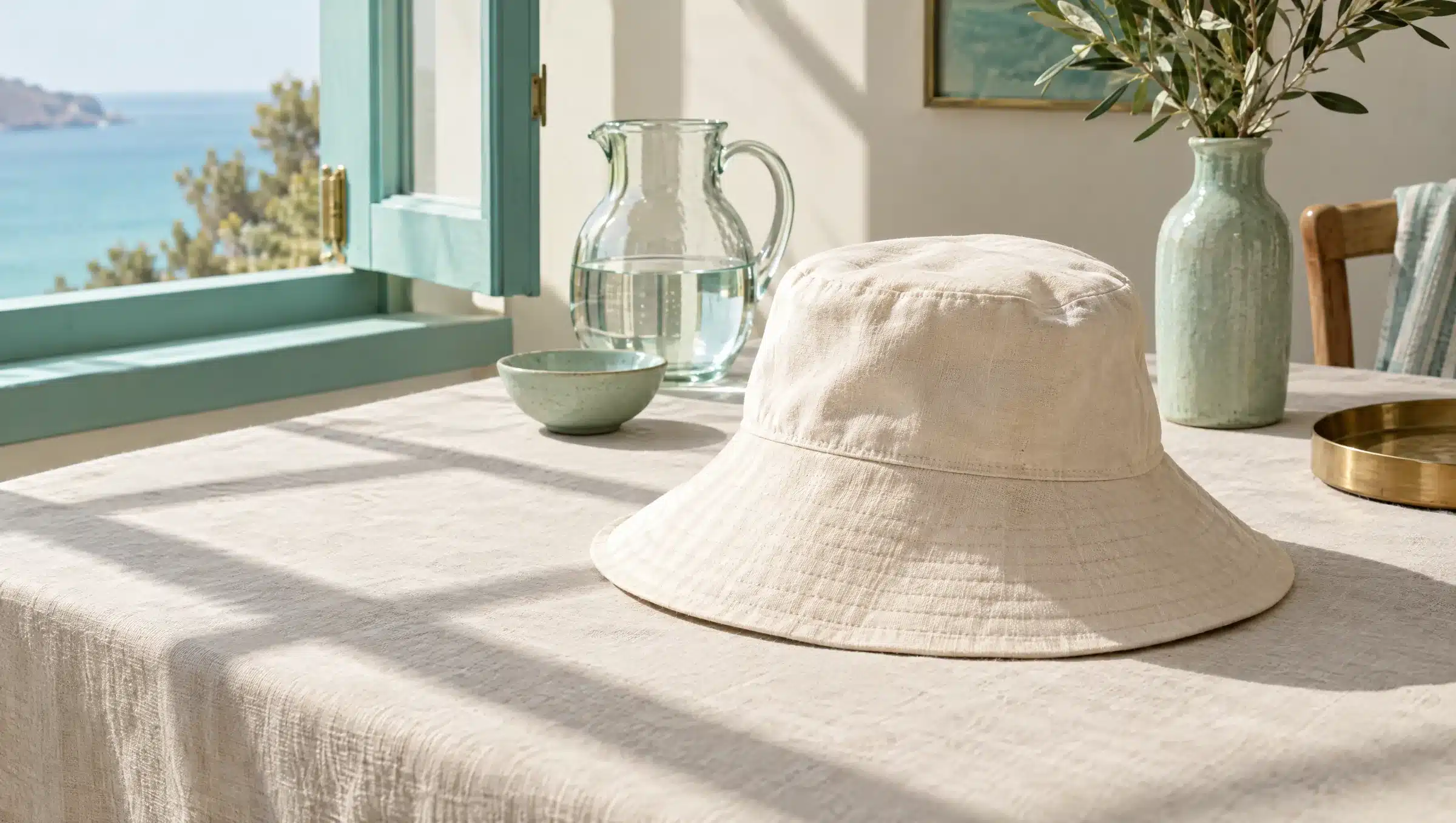
After a hair transplant, you need to be careful in the sun. Four points matter: sun exposure, headwear, swimming and sweating. They also apply if your transplant takes place in summer, when there is a lot of sun.
Avoid exposing your transplanted hair to the sun as much as possible. The first 15 days are the most important: no sunburn, so protect yourself.

The clinic provides a very loose-fitting bucket hat that does not touch the transplanted area: you can wear it from your first outing, as long as you are careful. For sun or rain, however, an umbrella is preferable. Any other headwear is strongly discouraged straight after the transplant.
Do not swim for at least a month. The waiting time is the same for swimming pools and for the sea.
Avoid sweating as much as possible. This means no hammam, sauna or exercise for a month. For exercise, see our guide Exercise after a hair transplant.

To continue, read The first days after a hair transplant, from day 1 to day 30 after surgery, then Hair transplant month by month. The treatments offered after the operation are described on the page post-transplant care (PRP, light therapy).
Many people protect their skin from the sun but forget their hair and scalp. Yet the sun can damage them. Two types of rays are at work: UV (ultraviolet) rays and infrared rays, which give the sensation of heat.
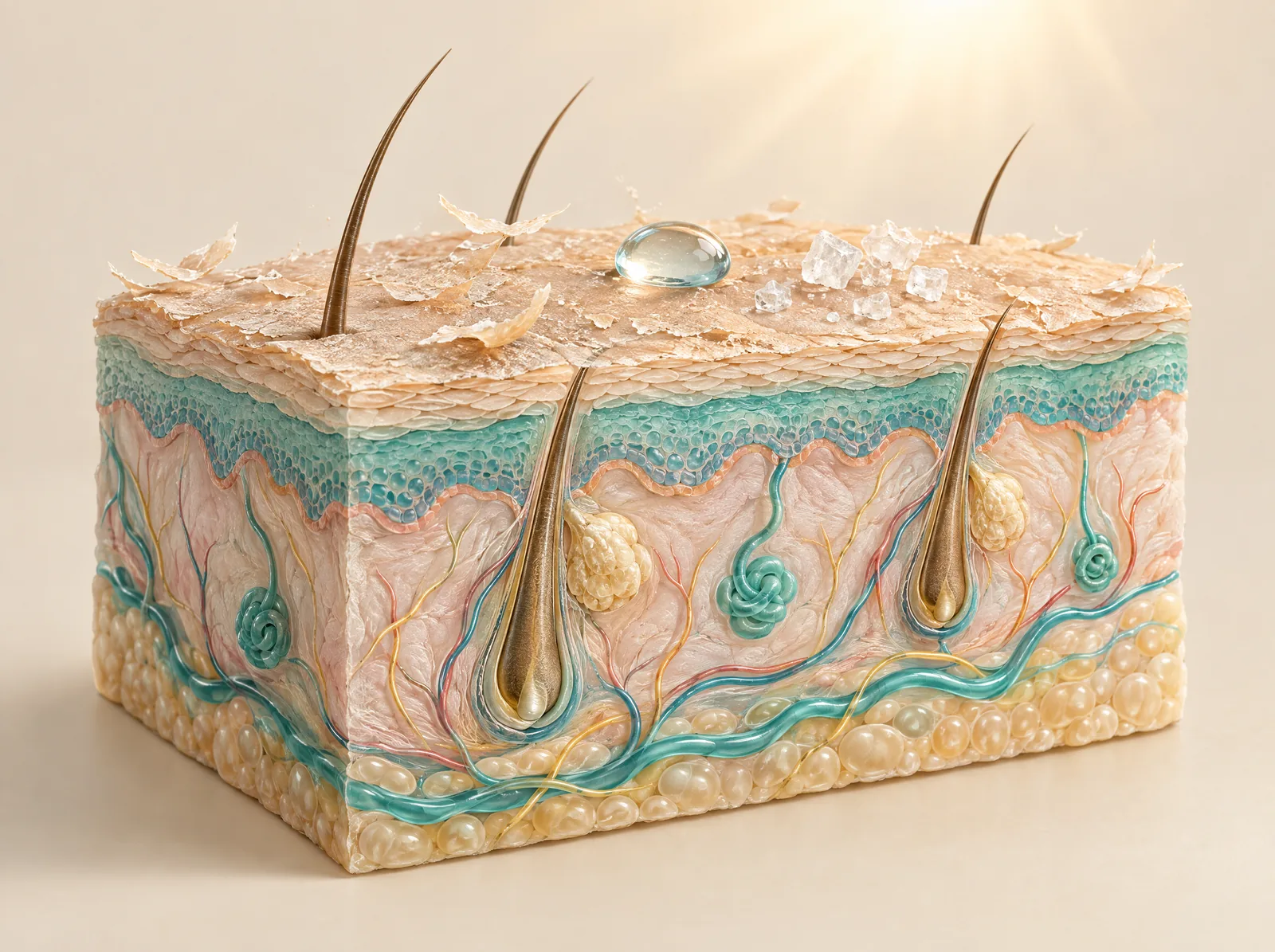
UV rays can damage the hydrolipidic film, the thin layer that protects the surface of the hair. When the hair’s scales are no longer protected, the rays penetrate the hair shaft and dehydrate the hair. It then becomes dry, brittle and rough.

UV rays break down melanin, the pigment that gives hair its colour. Hair becomes lighter, especially in people with coloured or highlighted hair. It can also become dull and straw-like.
Infrared rays can dry out the skin of the scalp. Combined with sea salt and the chlorine in swimming pools, this dryness can lead to dandruff.
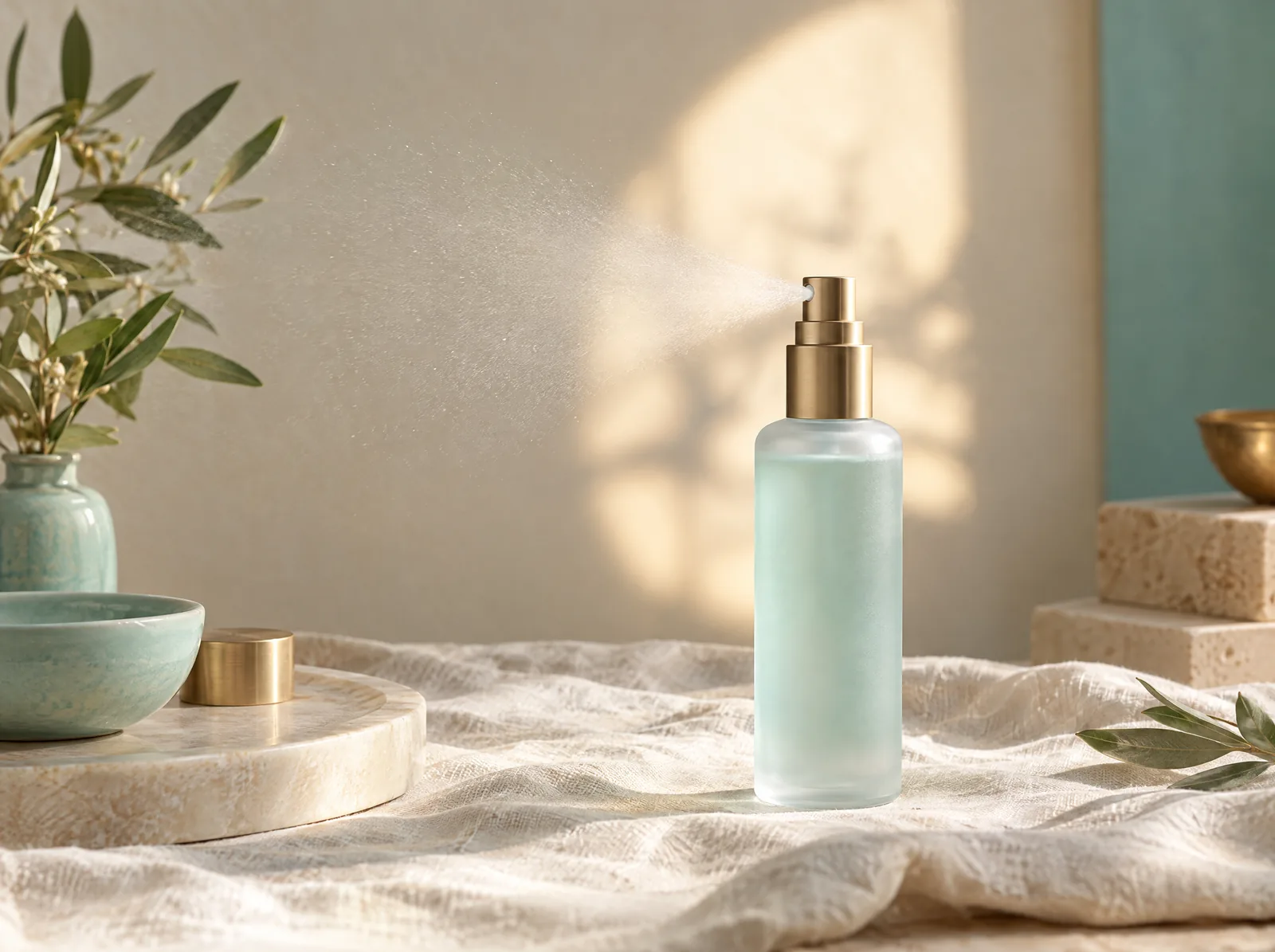
Many hair sprays contain UV filters. They are a kind of sun cream for the hair. Apply some before going out in the sun to protect the keratin in your hair. Reapply every two hours, or more often if you sweat or go swimming.
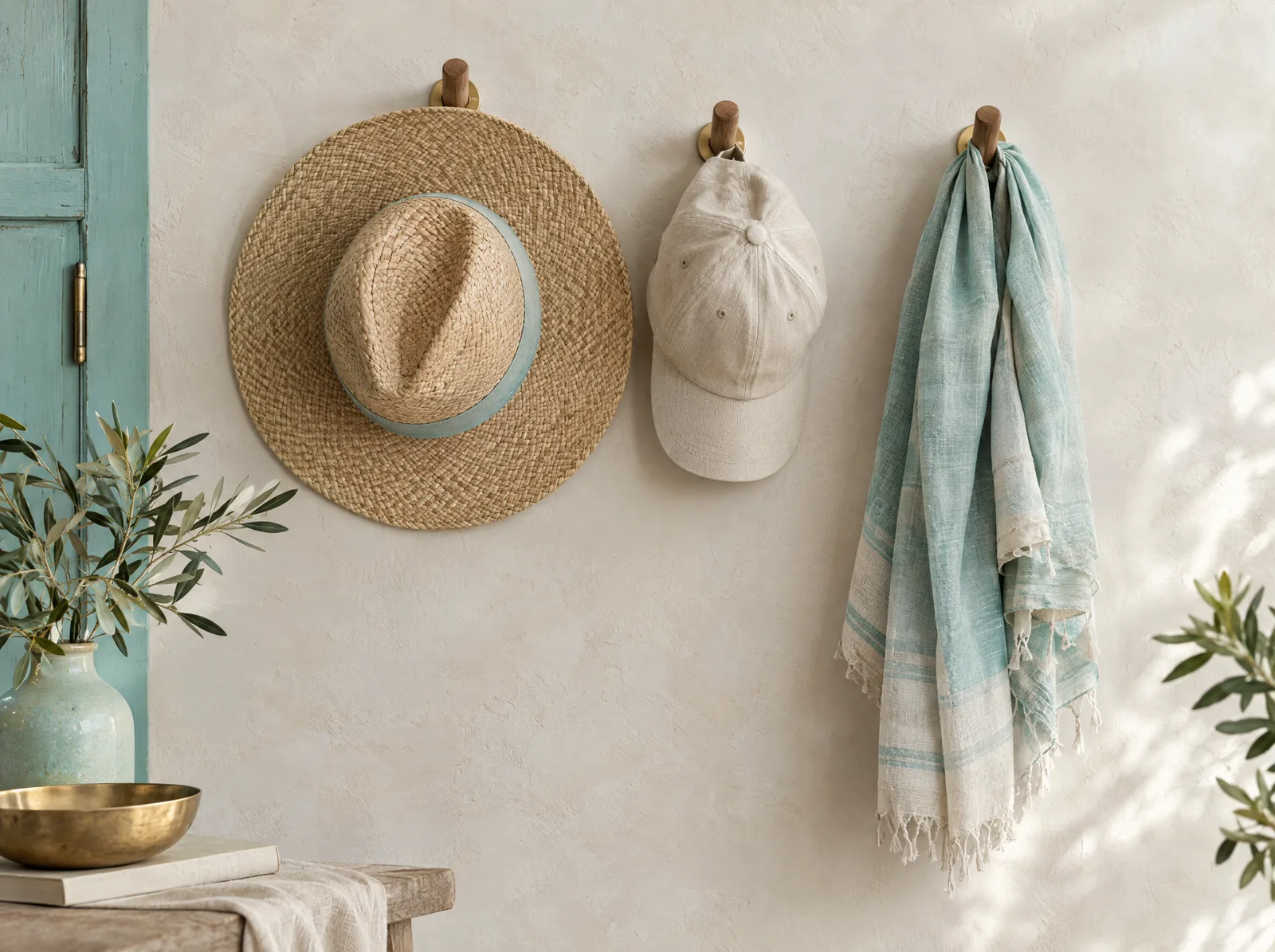
Hats, scarves and caps protect your hair from the sun. They also add a touch of style to your look.
Sea salt and chlorine don’t go well with hair. After every swim, rinse your hair with fresh water to remove these residues. A leave-in conditioner adds a layer of moisture and protection. If there is no shower nearby, take a bottle of water to rinse your hair on the spot.
In the evening, rinse your hair thoroughly. Wash it with an ultra-gentle shampoo or a conditioner. Twice a week, apply a repair mask to soften damaged hair.
Eat a balanced diet before, during and after your holiday, to give your body the micronutrients your hair needs. To find out more, read our article What role do diet and lifestyle play in a hair transplant?.
This care also applies to non-transplanted hair. After a transplant, follow the medical team’s instructions.
Blonde hair contains less melanin than dark hair. It can therefore be more sensitive to the sun, with more pronounced effects.
If your hair has already been damaged by the sun, you can use a keratin-based hair treatment. Keratin is the protein that makes up hair. It can help to strengthen and protect it.
After sun exposure, you can make a homemade mask to moisturise your hair. It combines olive oil, which moisturises, and yoghurt, which provides protein.
Your hair straighteners and hairdryer can take a holiday. The extra heat makes your hair more vulnerable to damage. Choose natural hairstyles and let your hair air-dry.
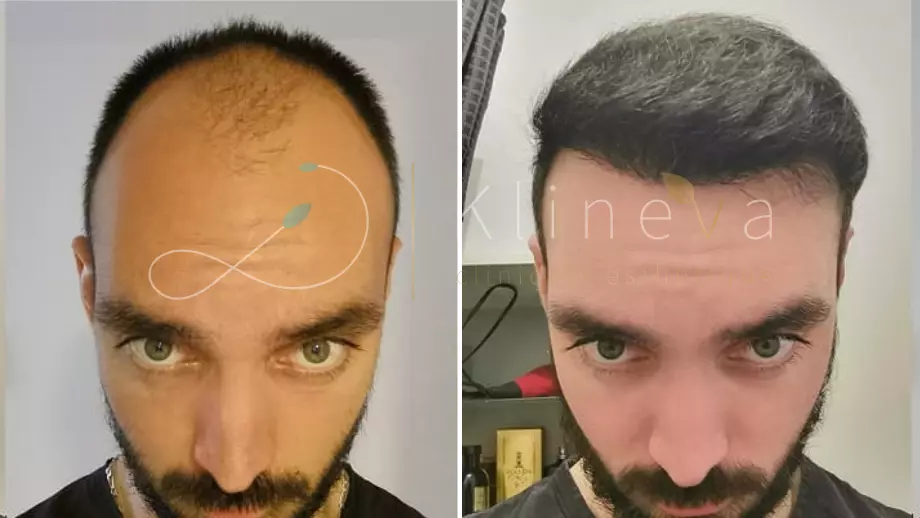
Here are four examples of patients treated at Klineva, with the technique (Sapphire FUE or DHI) and the number of grafts in each case. Every case is different. You will find more examples on the page Our results.


Thinking about a hair transplant? Send us your photos for a free diagnosis – an adviser will get back to you within 24 hours.
real patients, with the number of grafts and the time elapsed since surgery
step 5 of 5: after the transplant
 Guide · Step 5The first days after a hair transplant, from day 1 to day 30 after surgeryPossible swelling, scabs, itching, shedding of the transplanted hairs: what is normal, week by week.Read the guide
 Guide · Step 5Post-operative instructionsThe medical team’s instructions, on one clear page.Read the guide
 Guide · Step 5Washing your hair after a transplantThe washing steps, how often to wash and the team’s video.Read the guide
 French French
 English
 Polish


