Home › Guides › After the transplant
Post-transplant progression for beard & hair
Every hair transplant is different: the stages can take more or less time depending on the person.

Because the whole process can be stressful, we’d like to show you how several of our Klineva patients’ transplants have progressed.
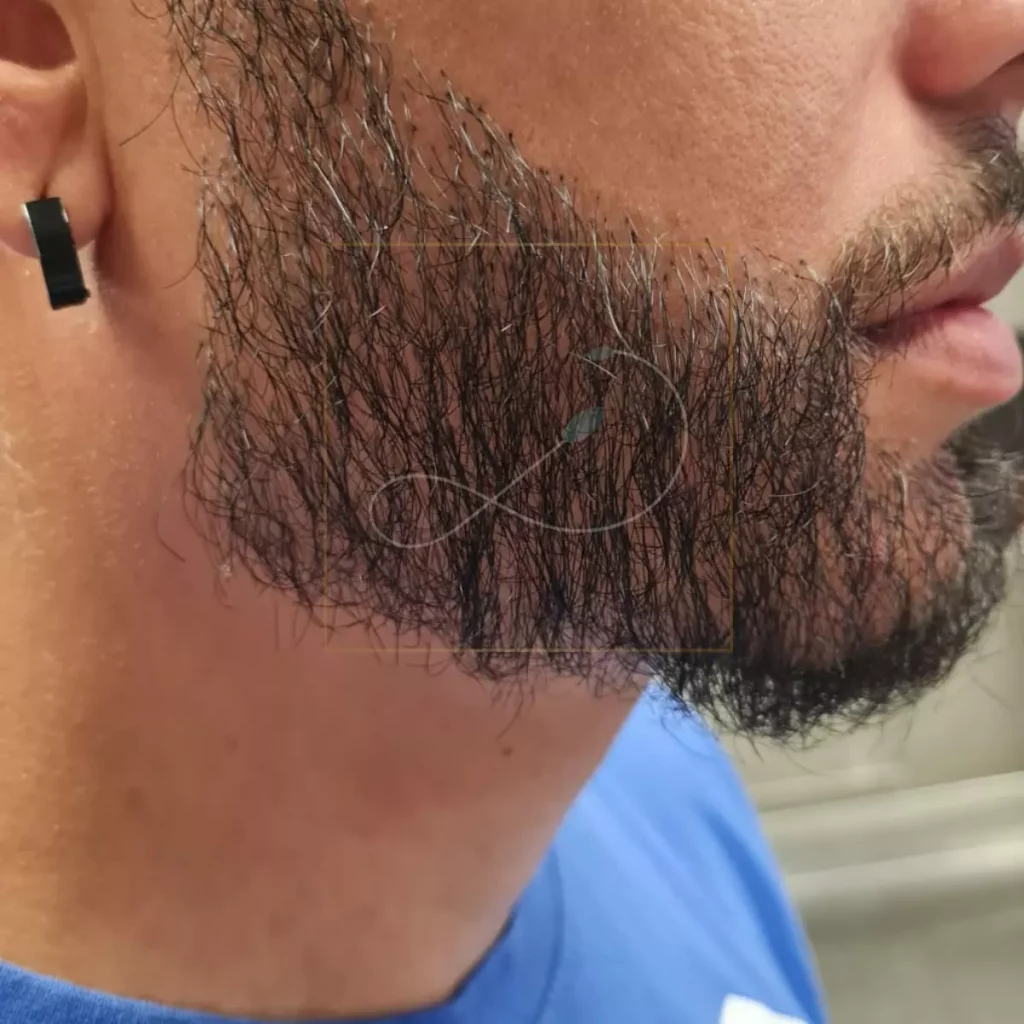
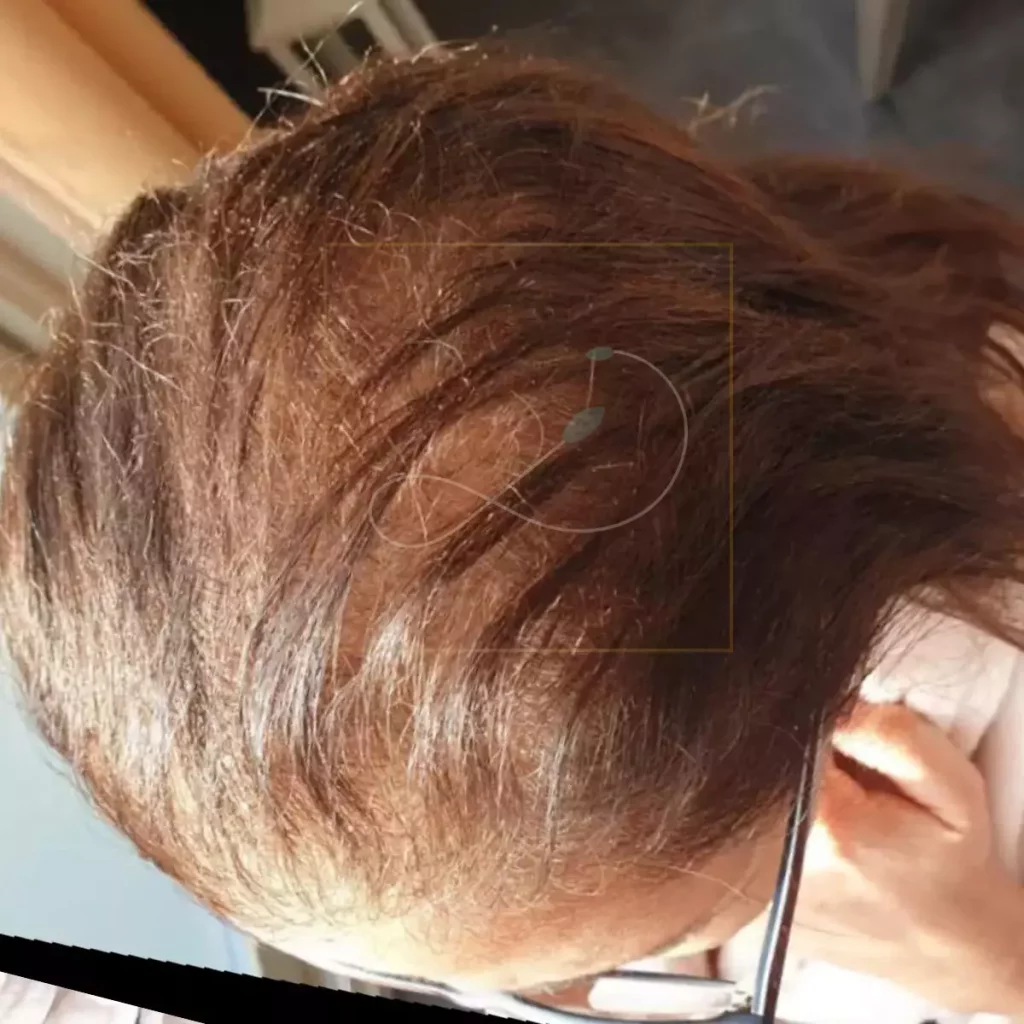
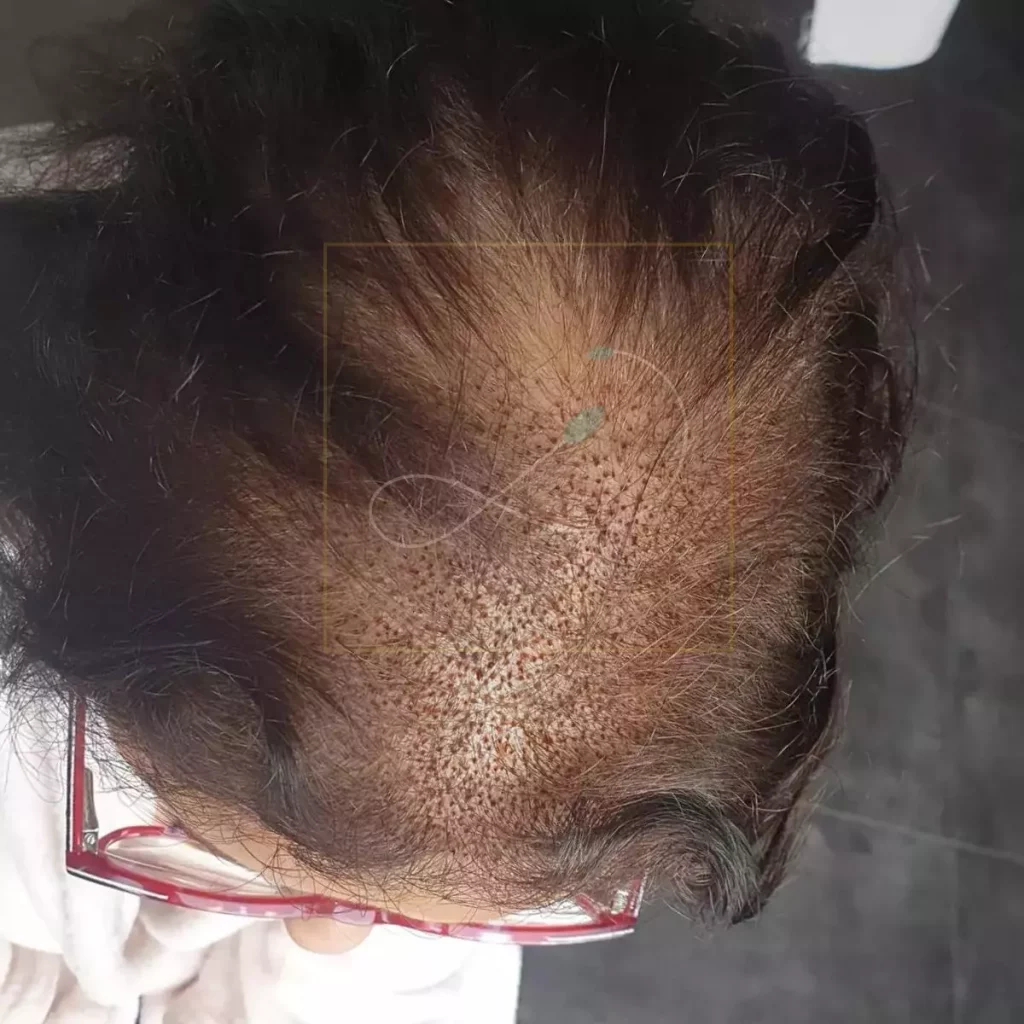
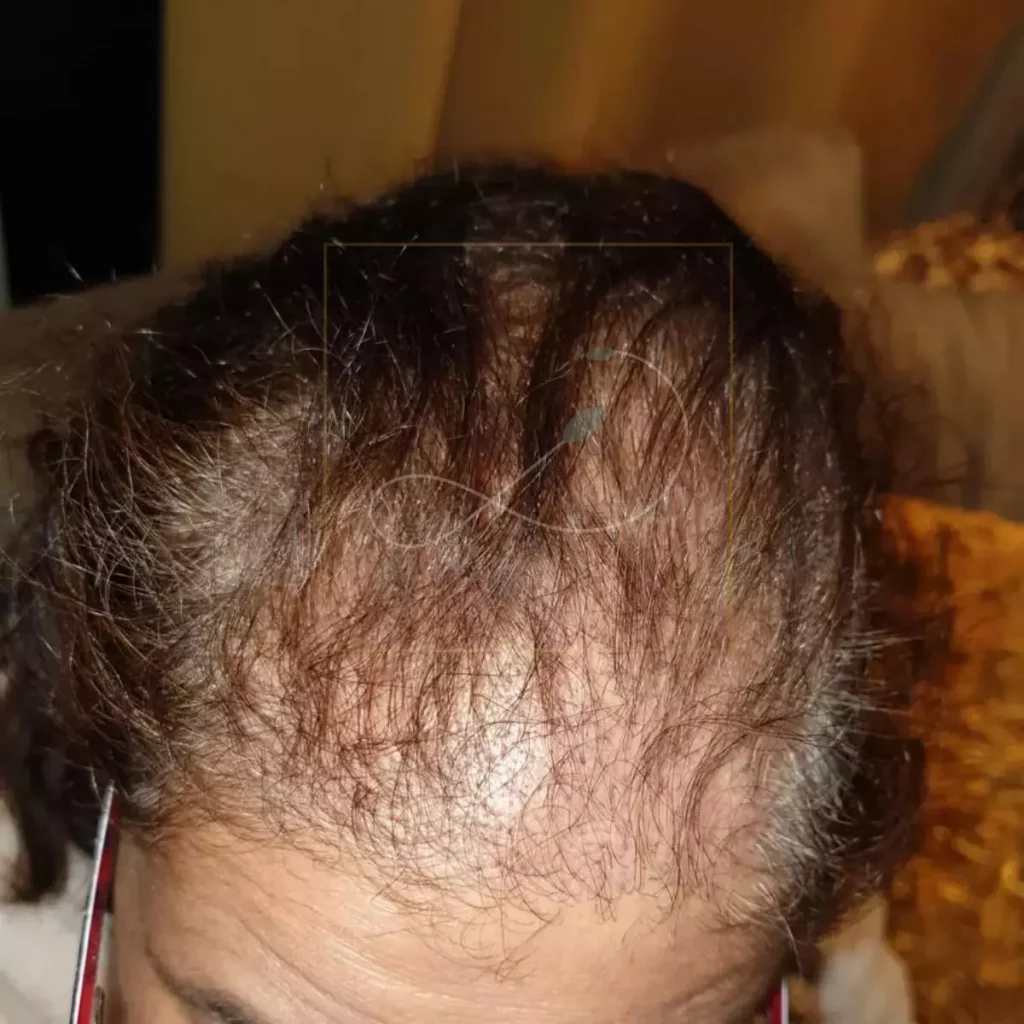
Important reminder: every regrowth is different, and the time between stages varies. The final result is seen between 12 and 18 months after a hair transplant, and at 8 months for a beard.
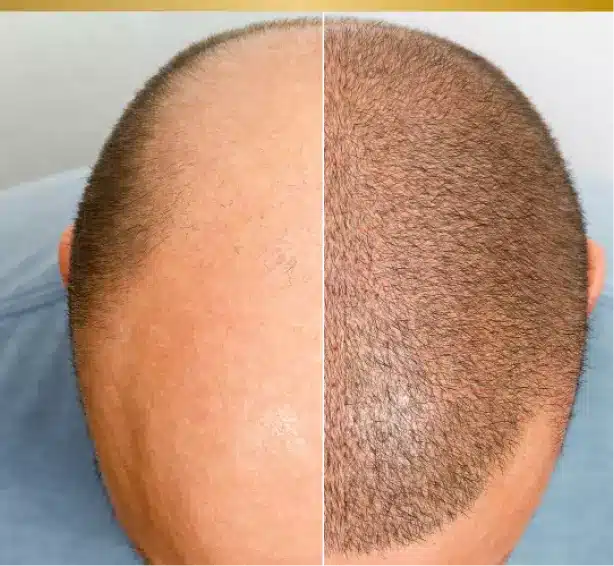
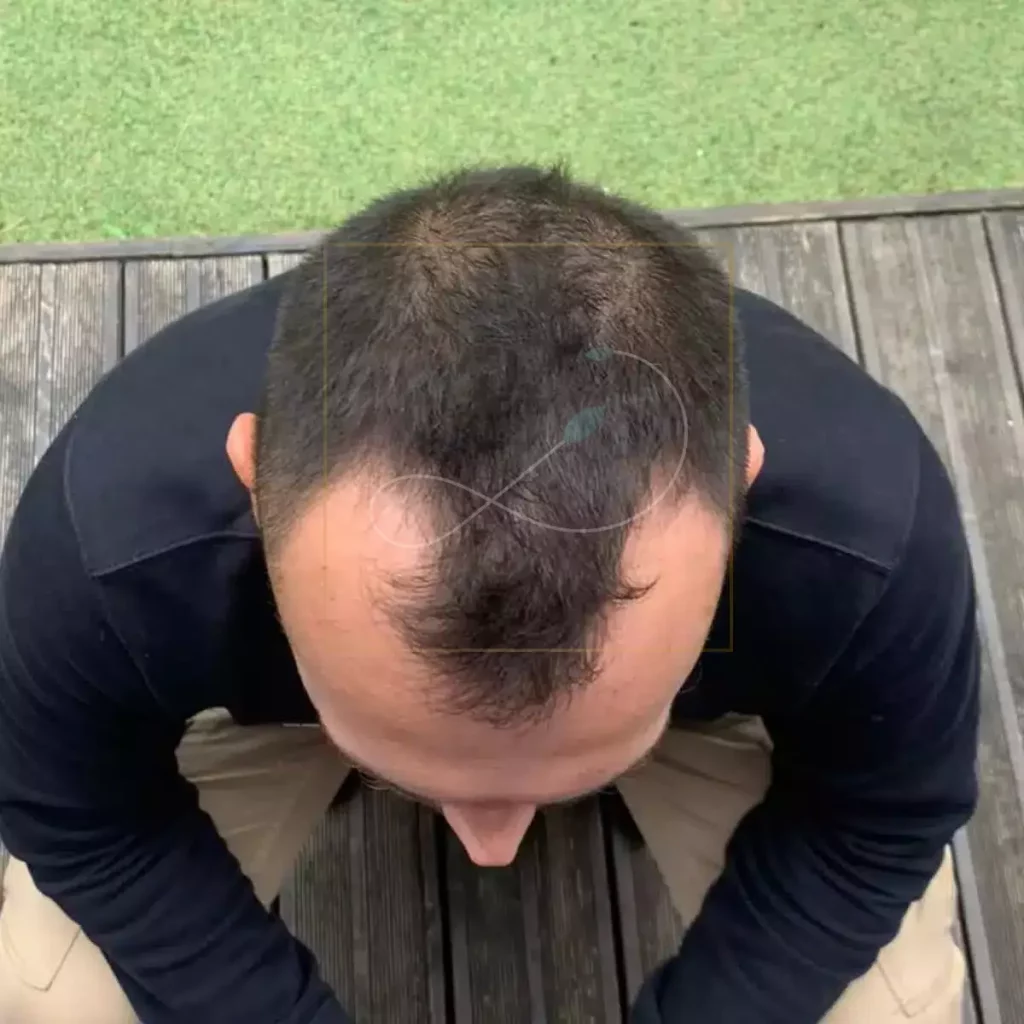
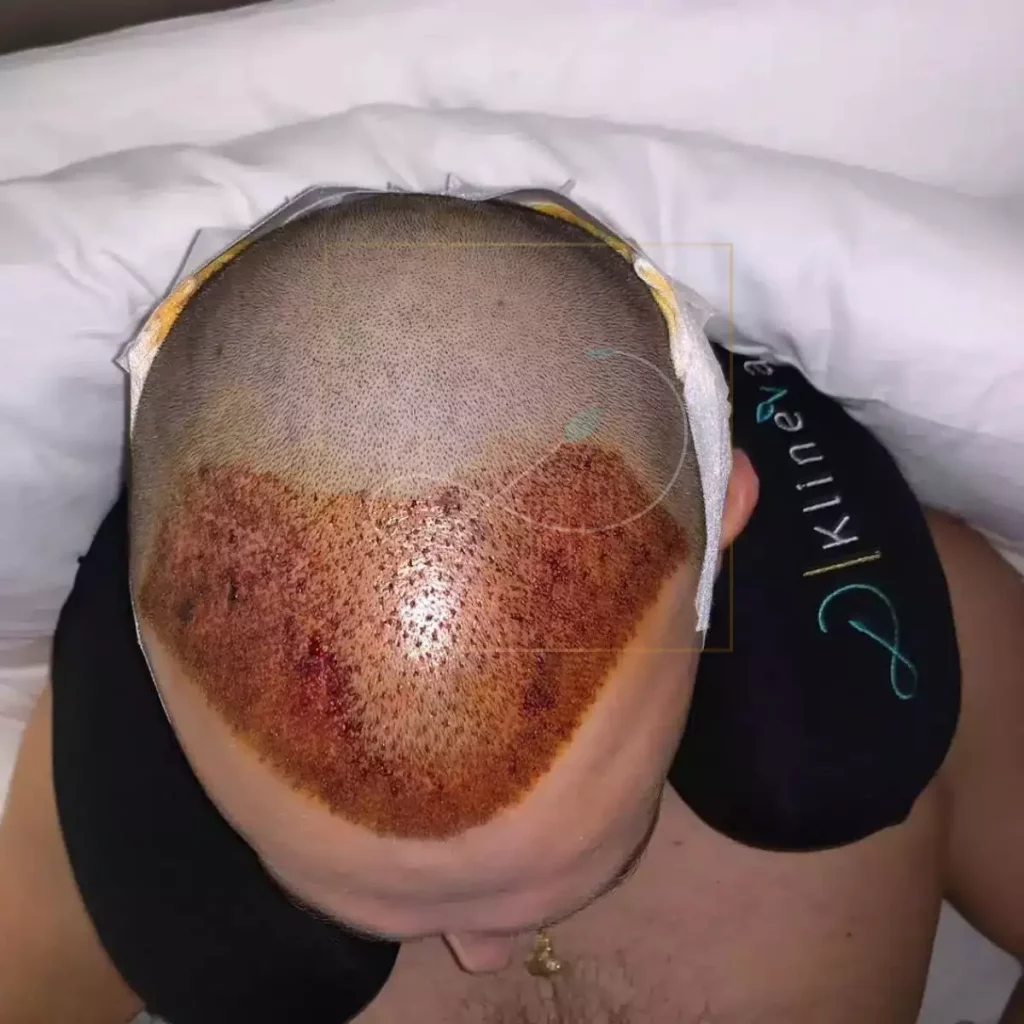
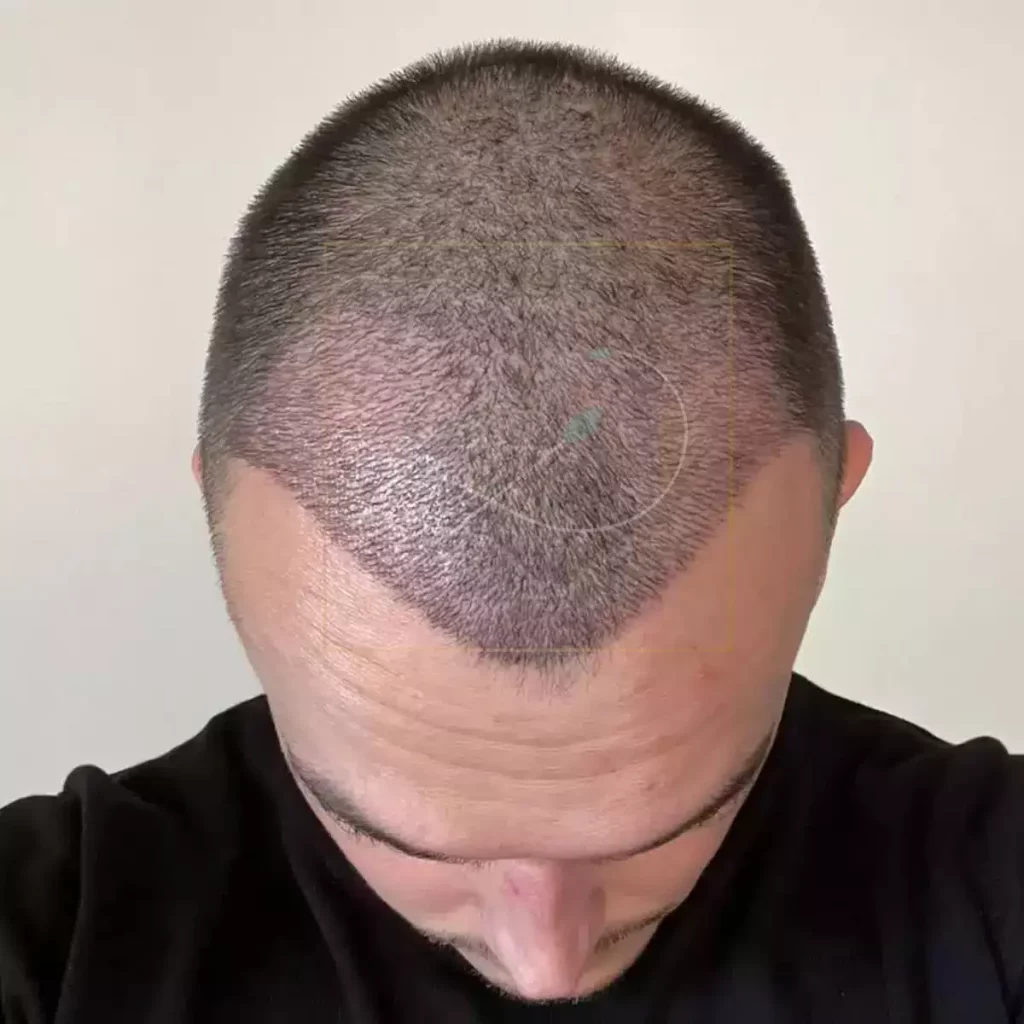
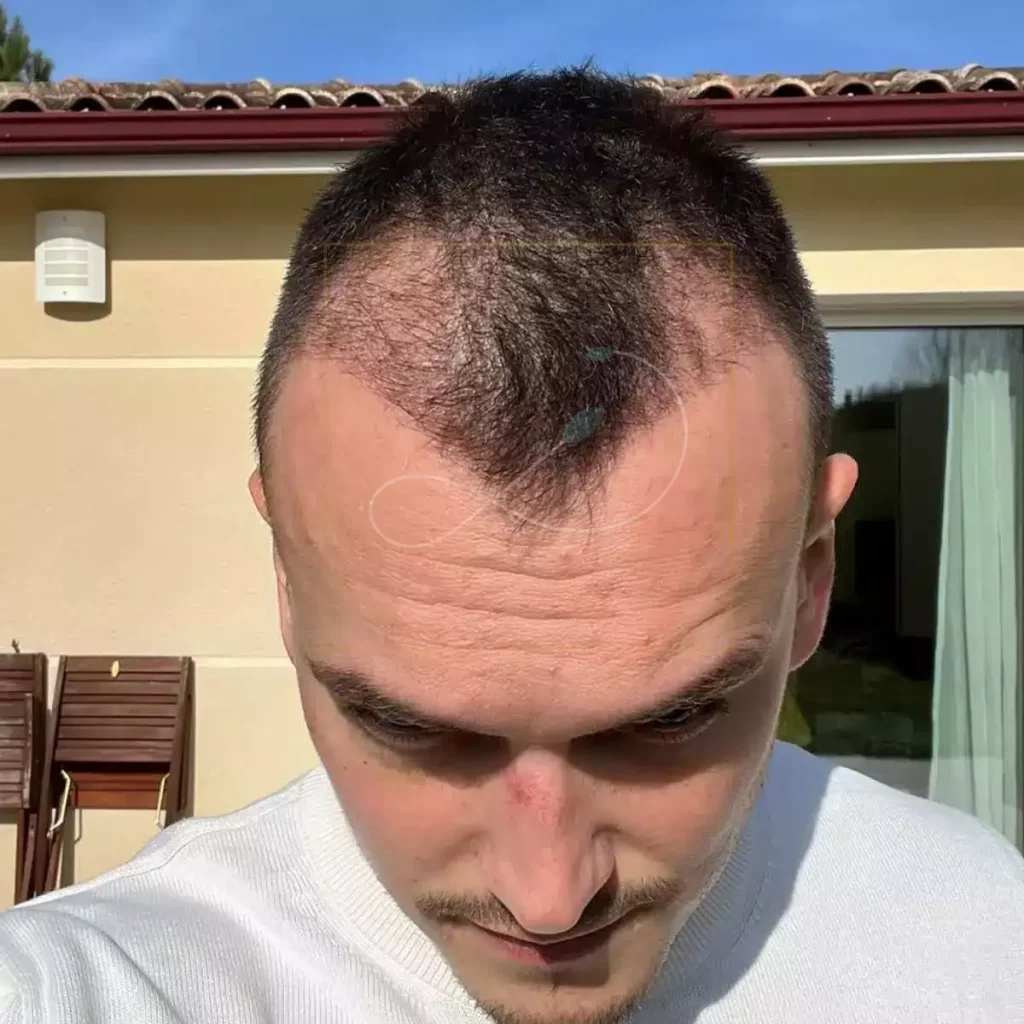
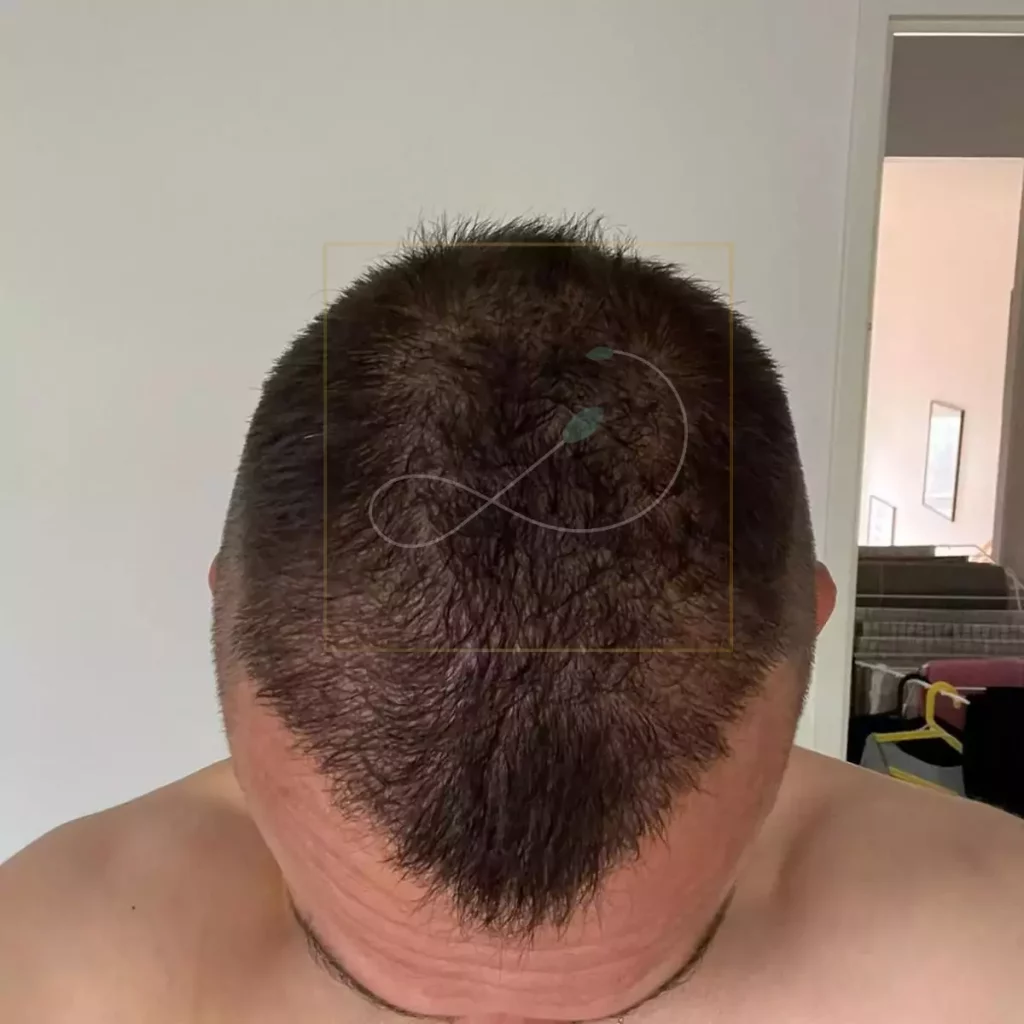
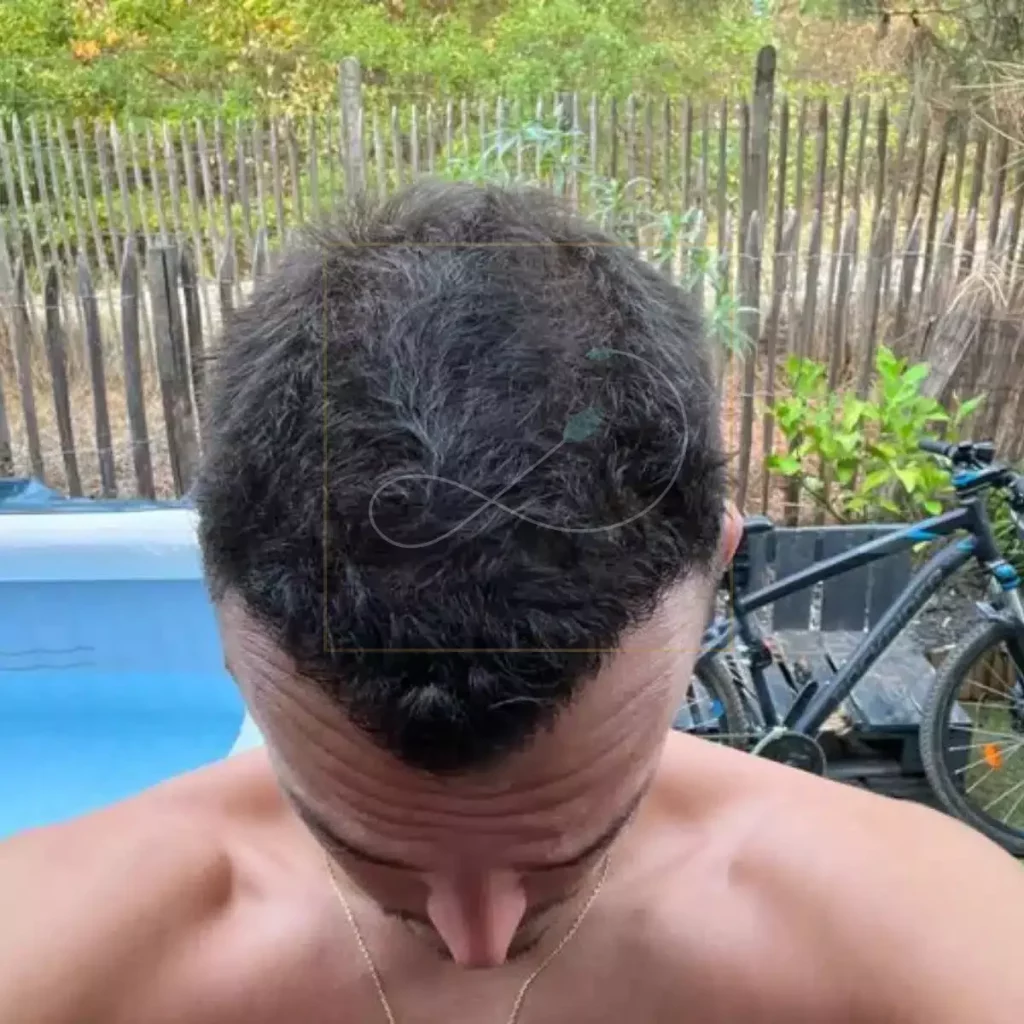
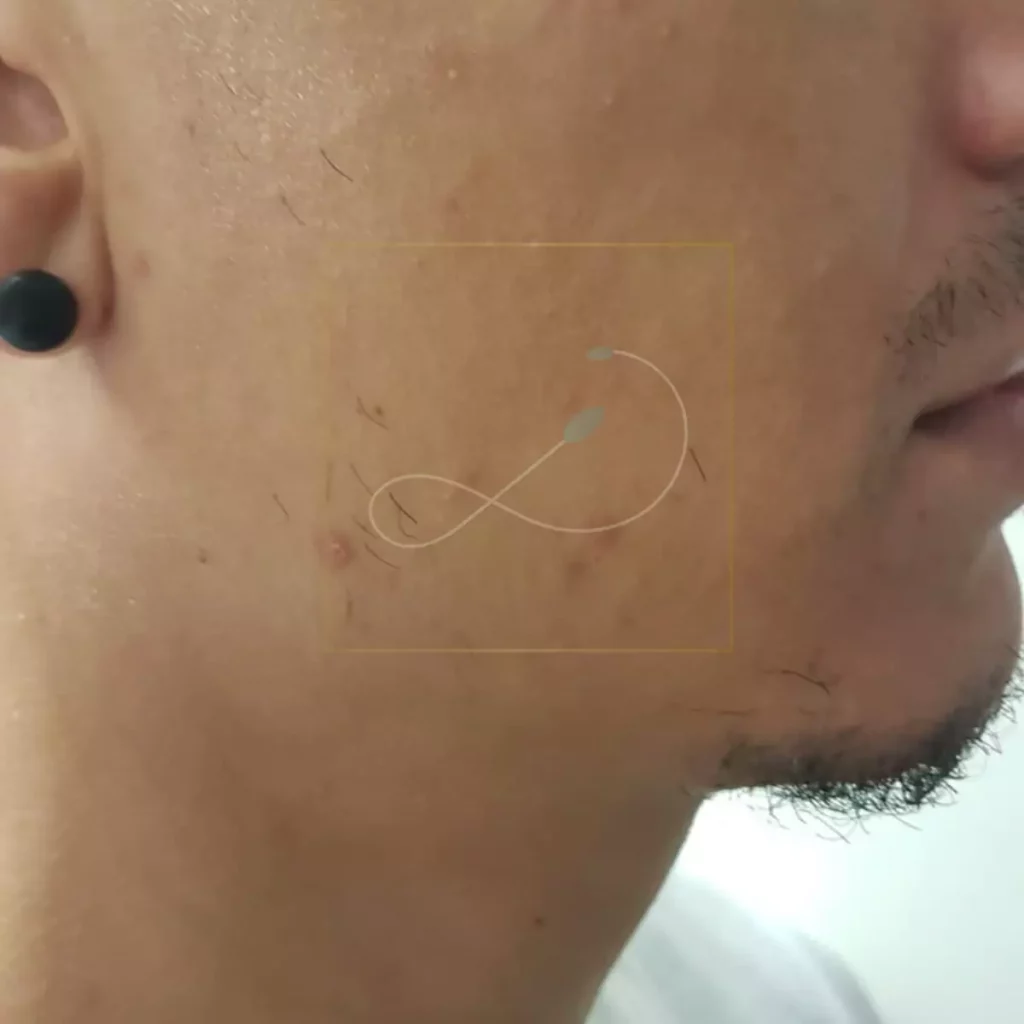
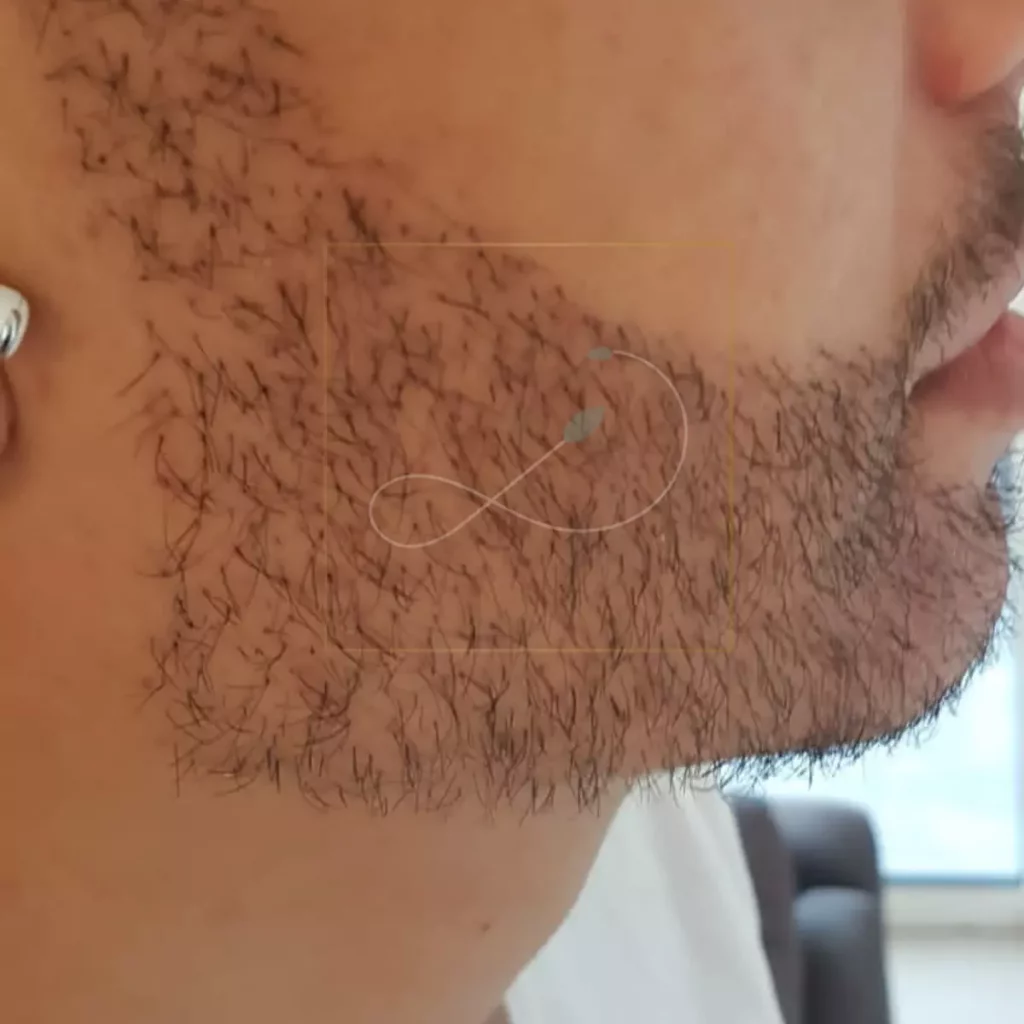
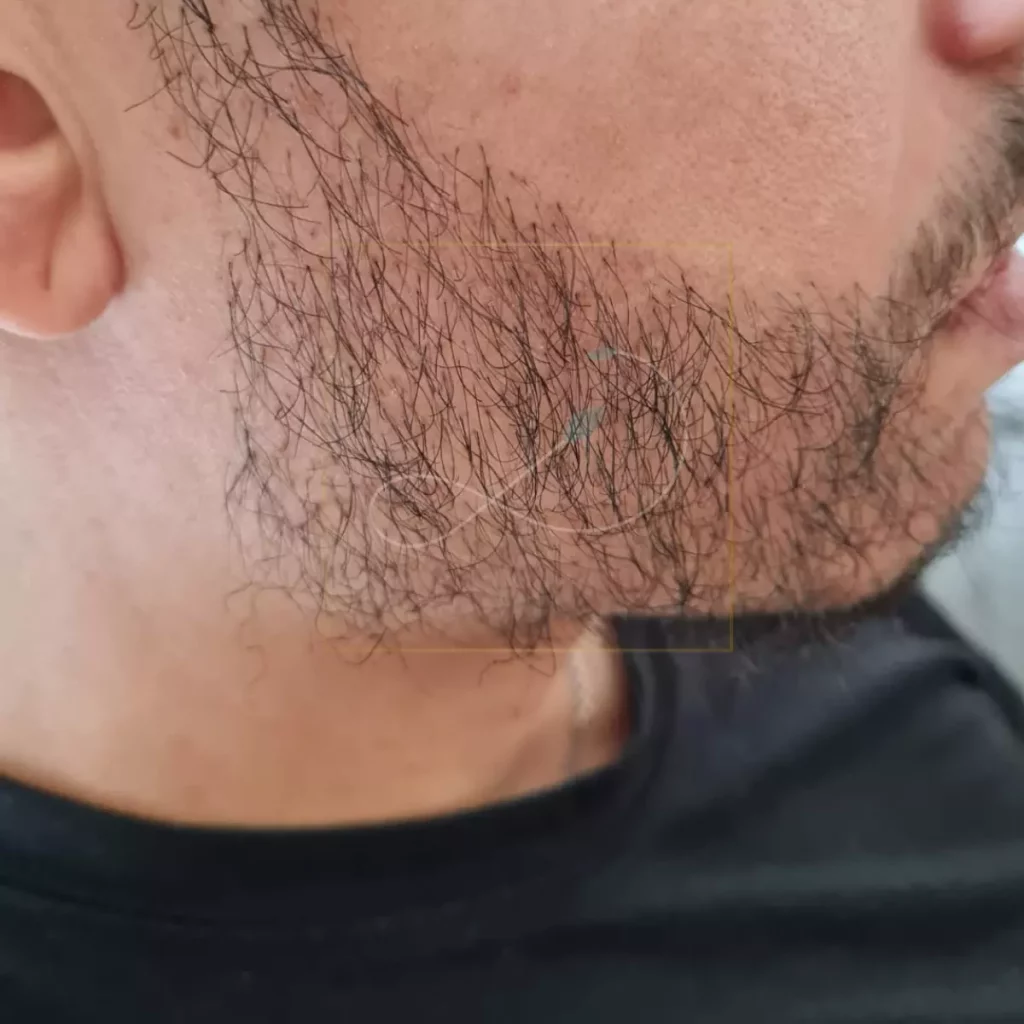
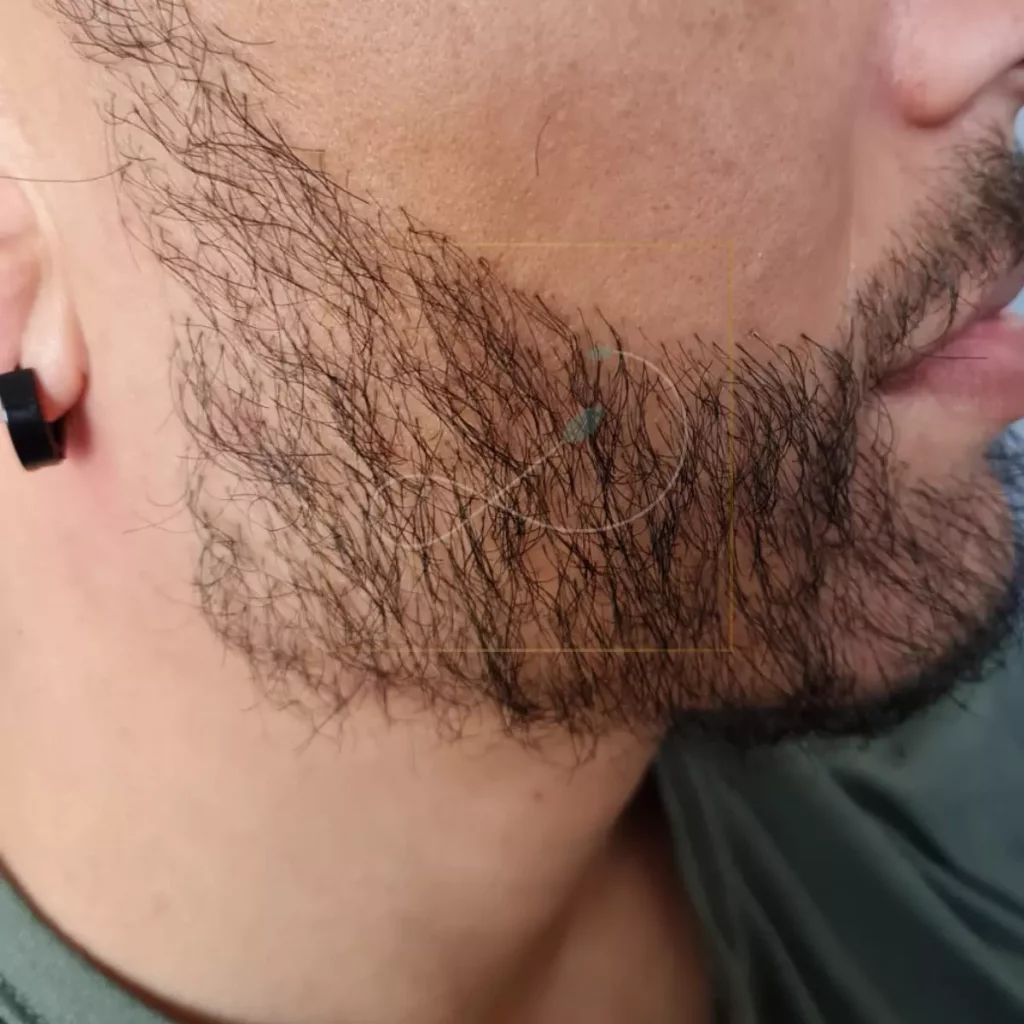
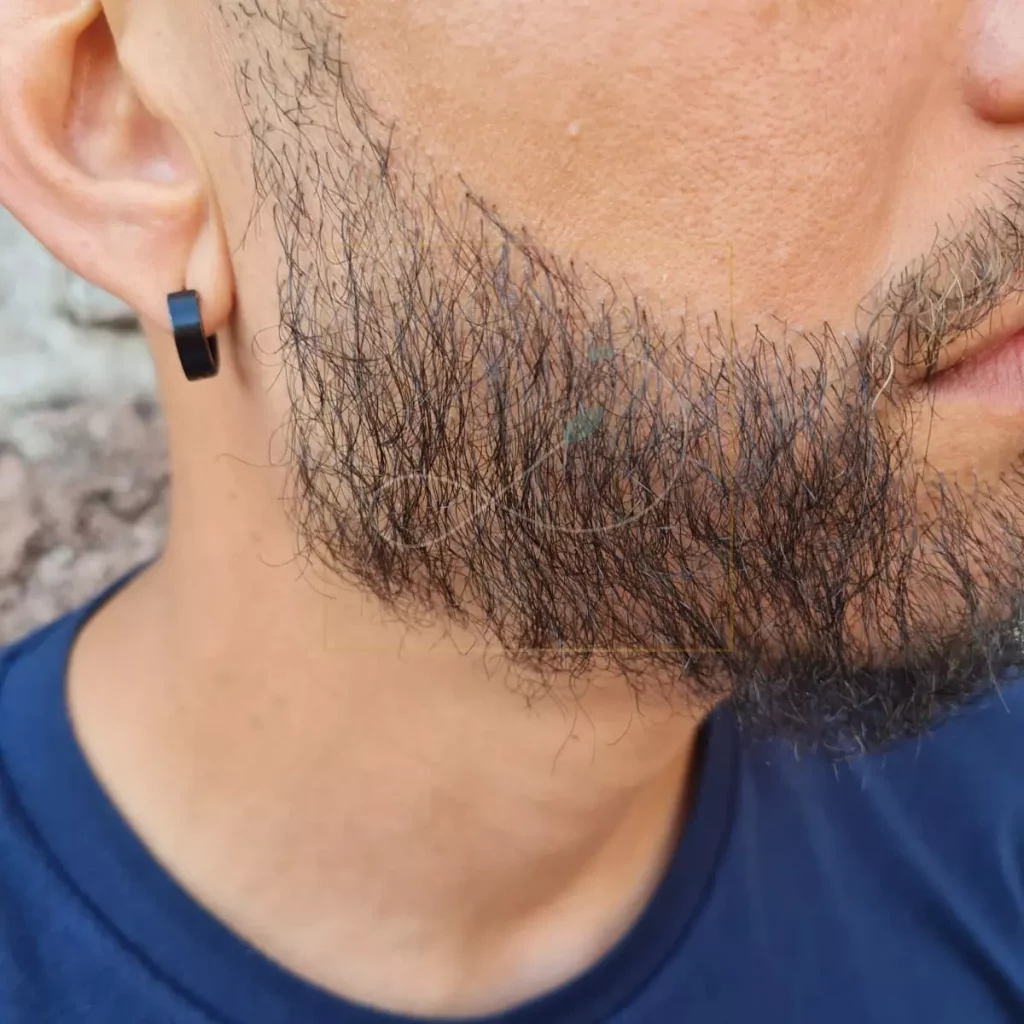
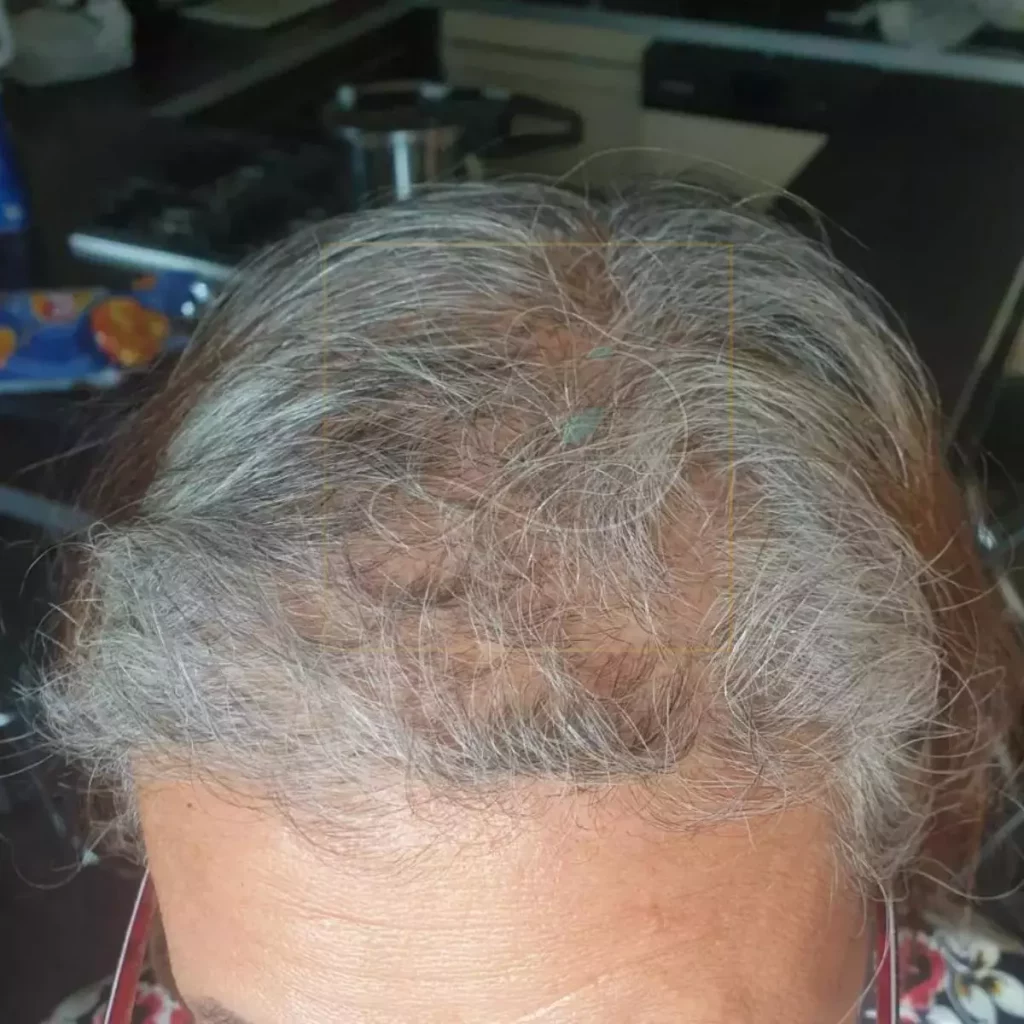
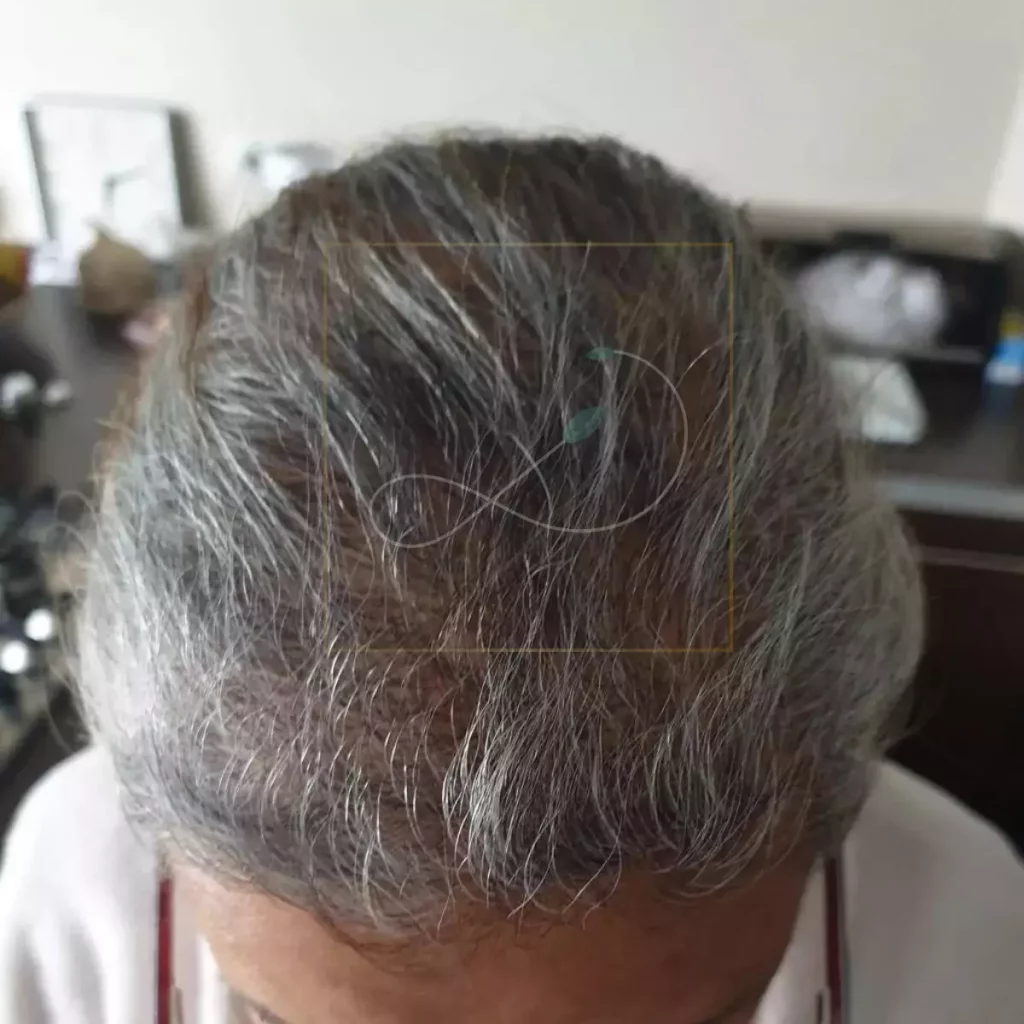
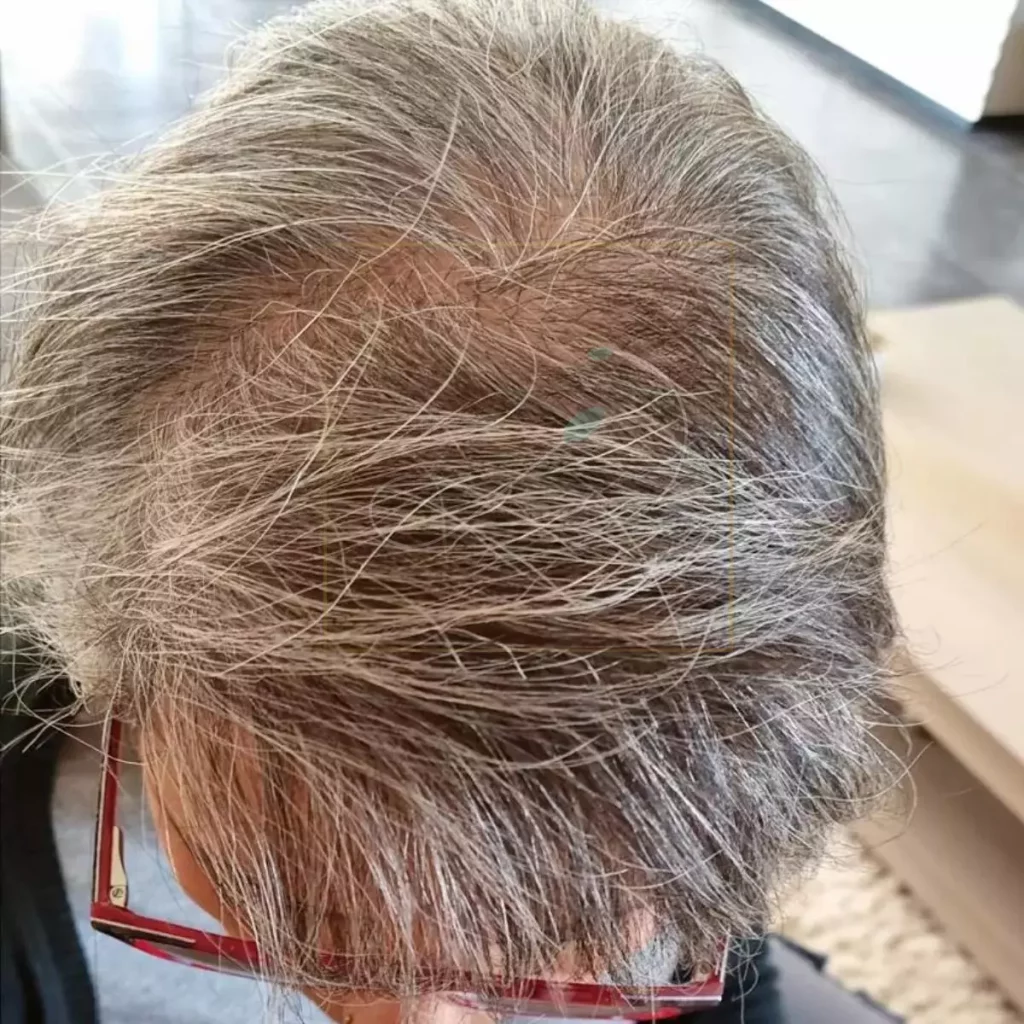
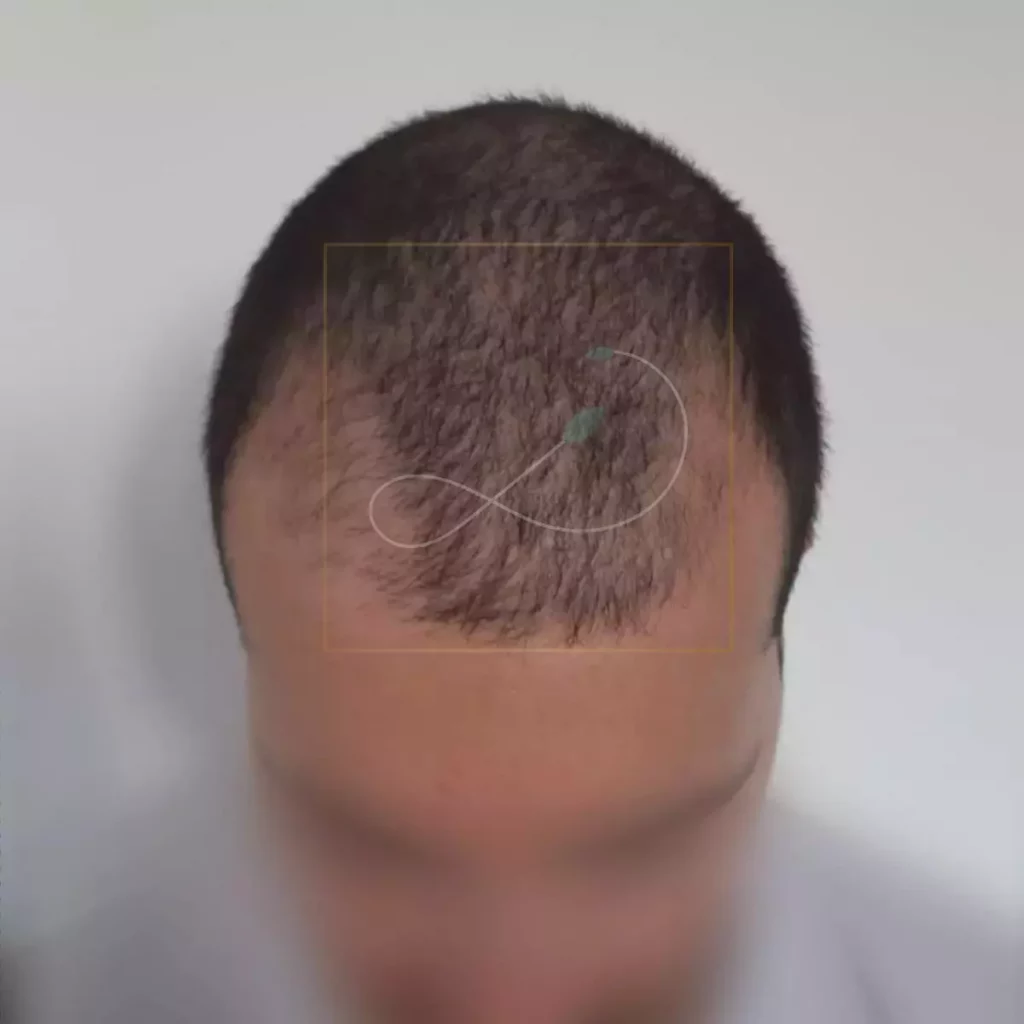
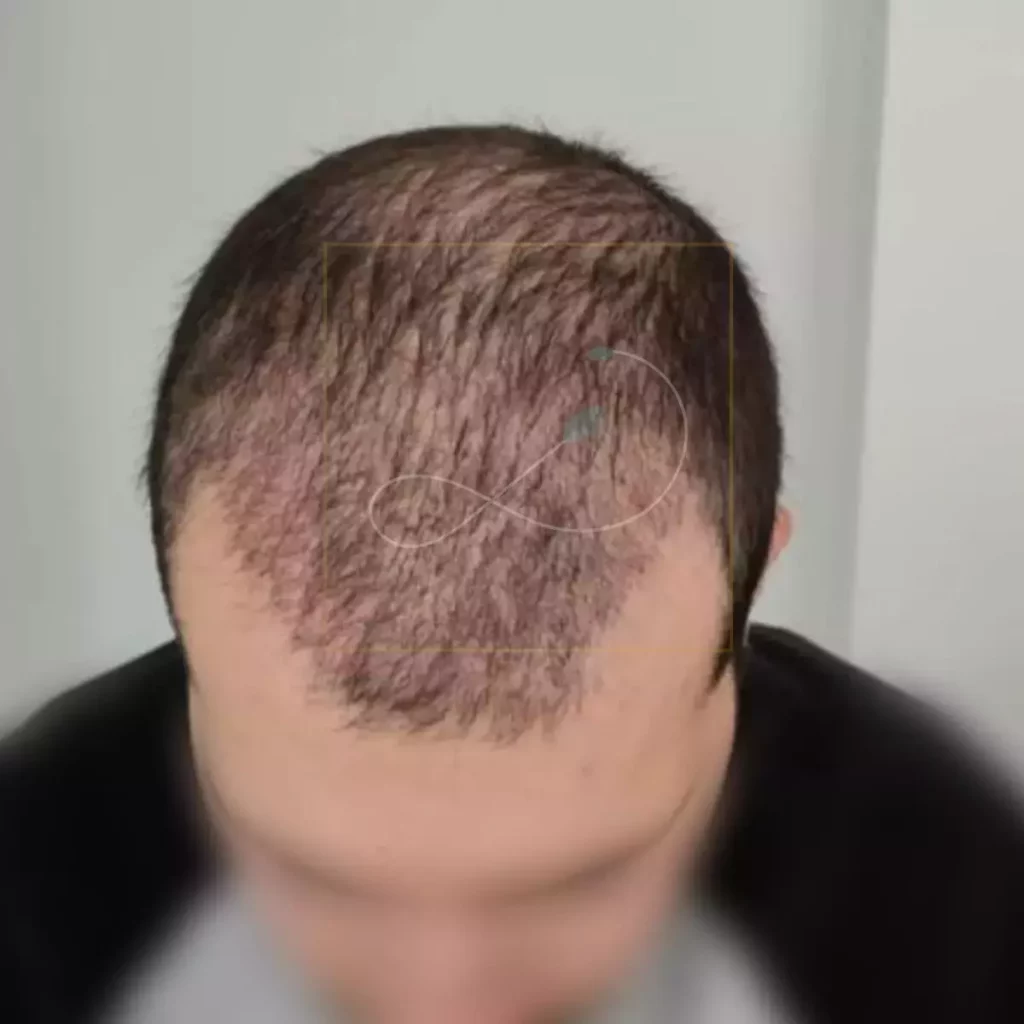
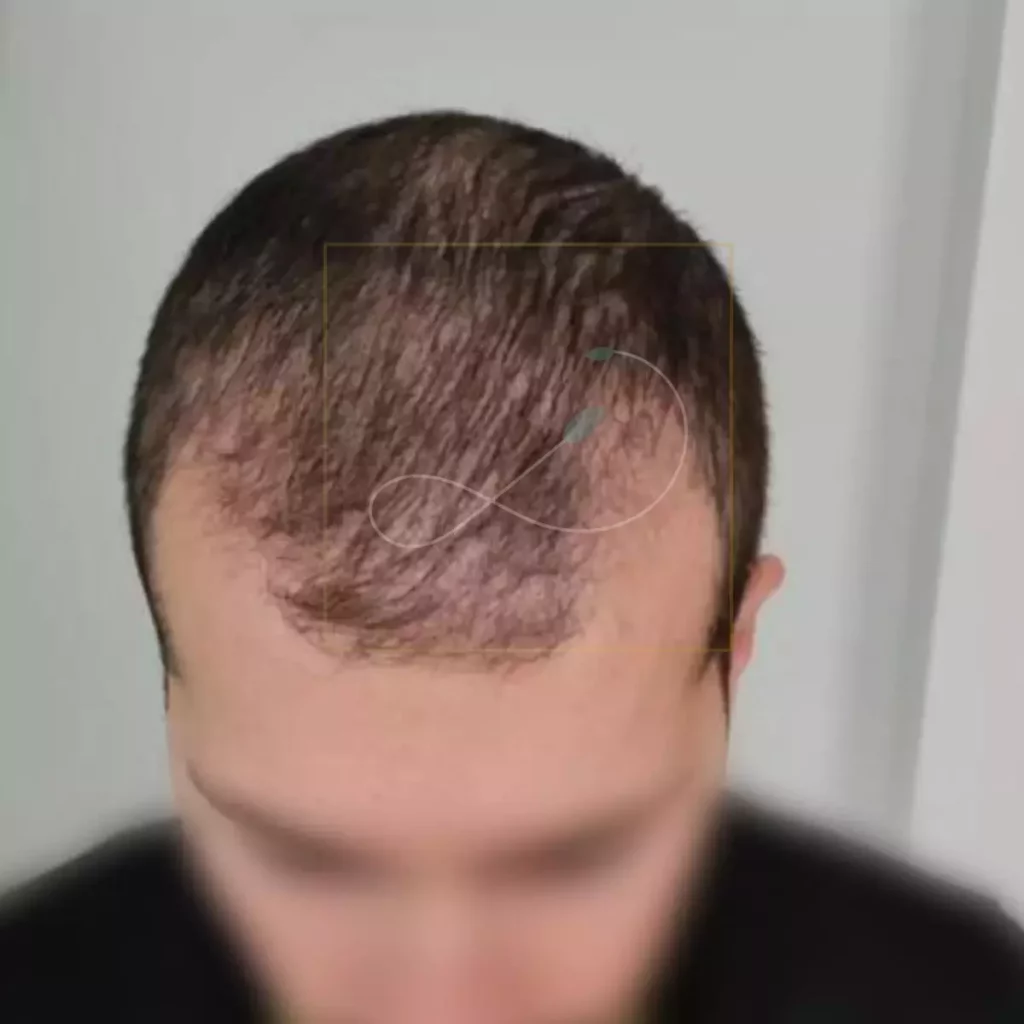
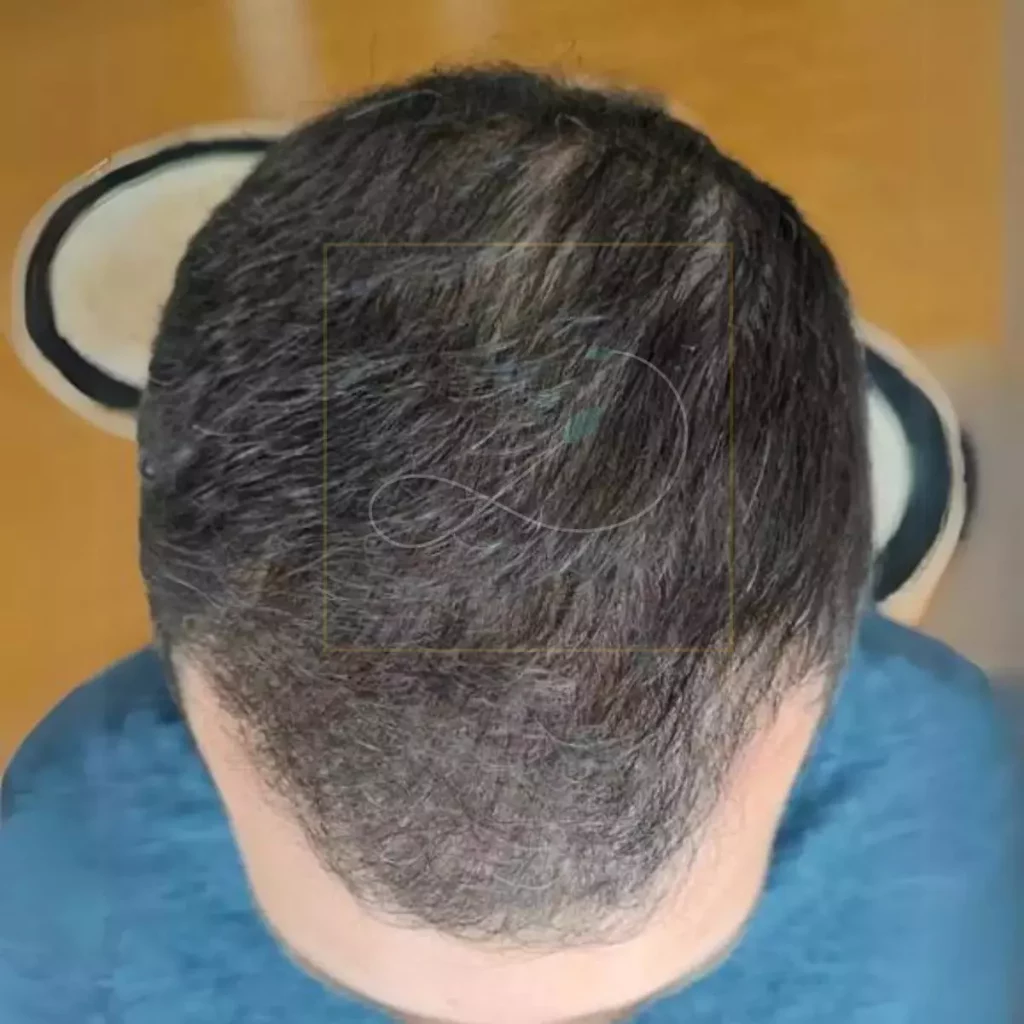
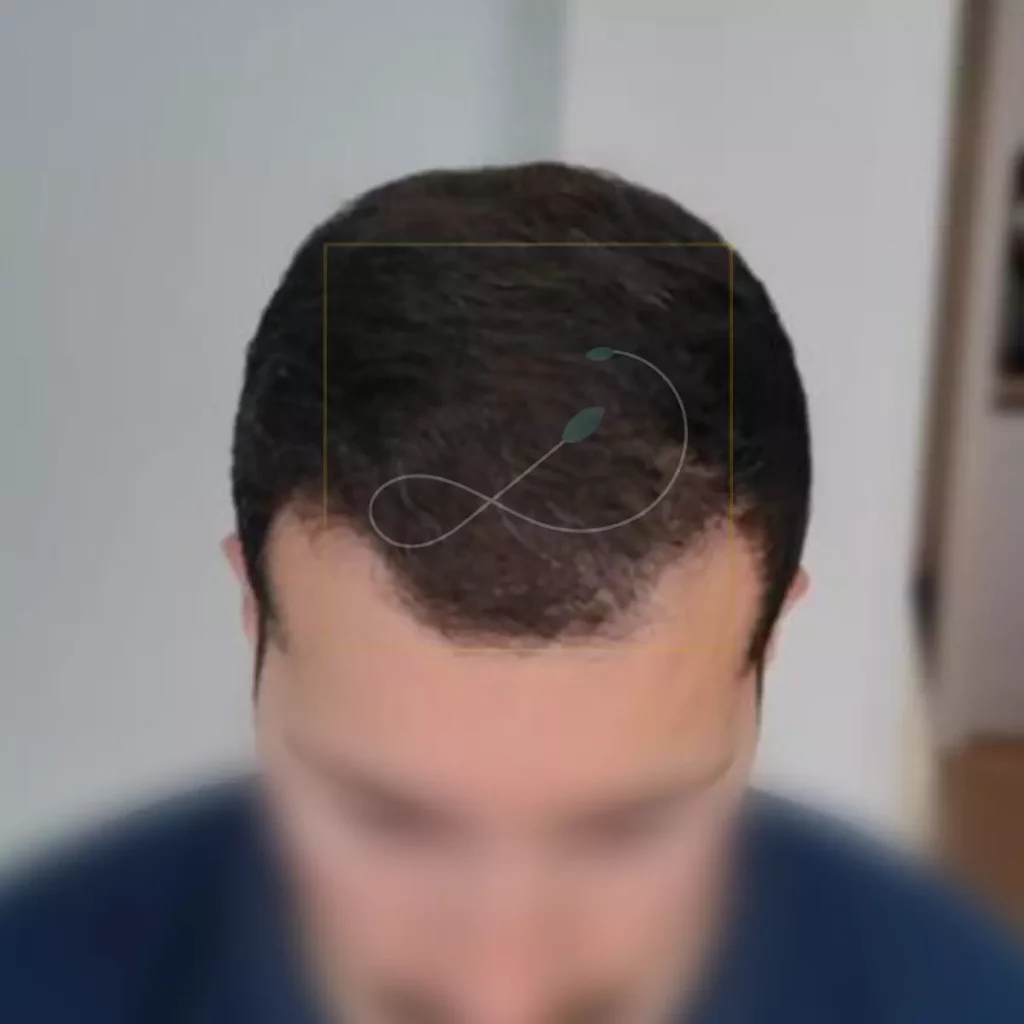
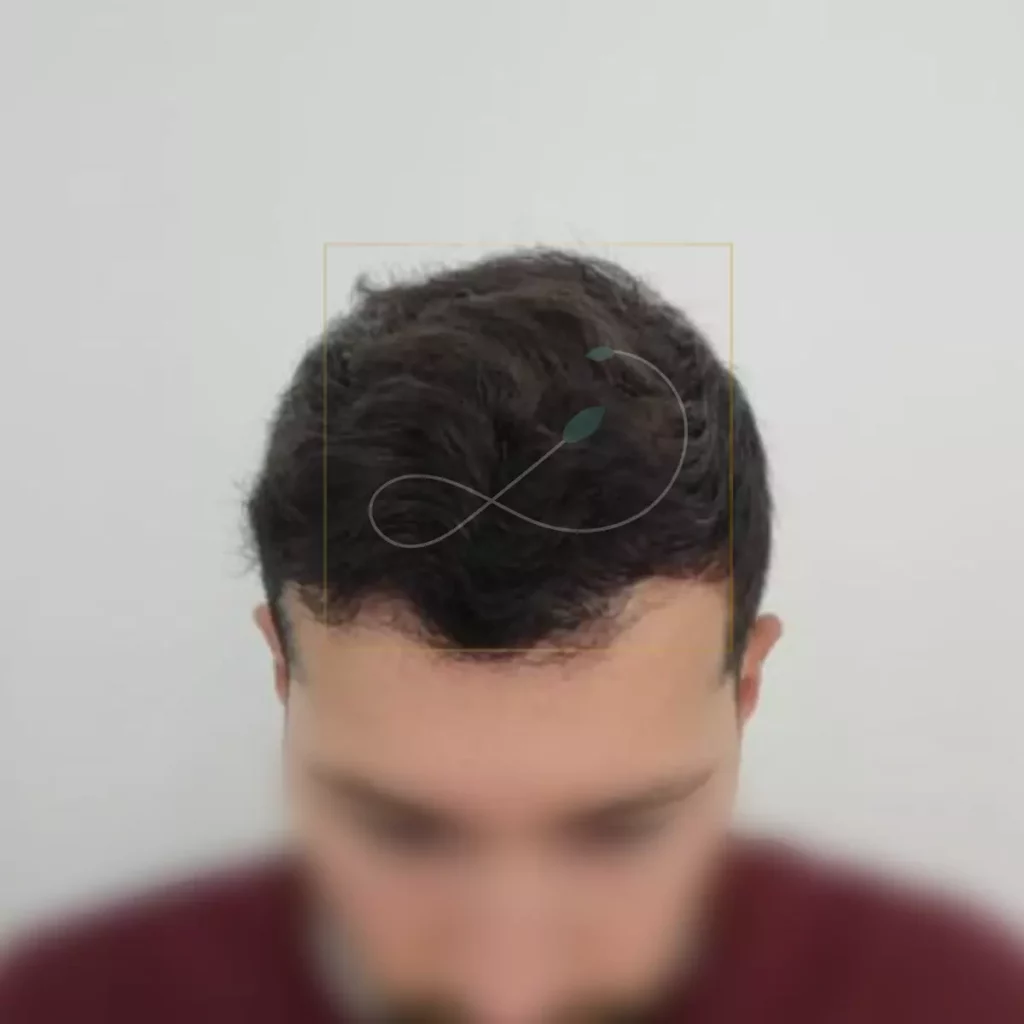
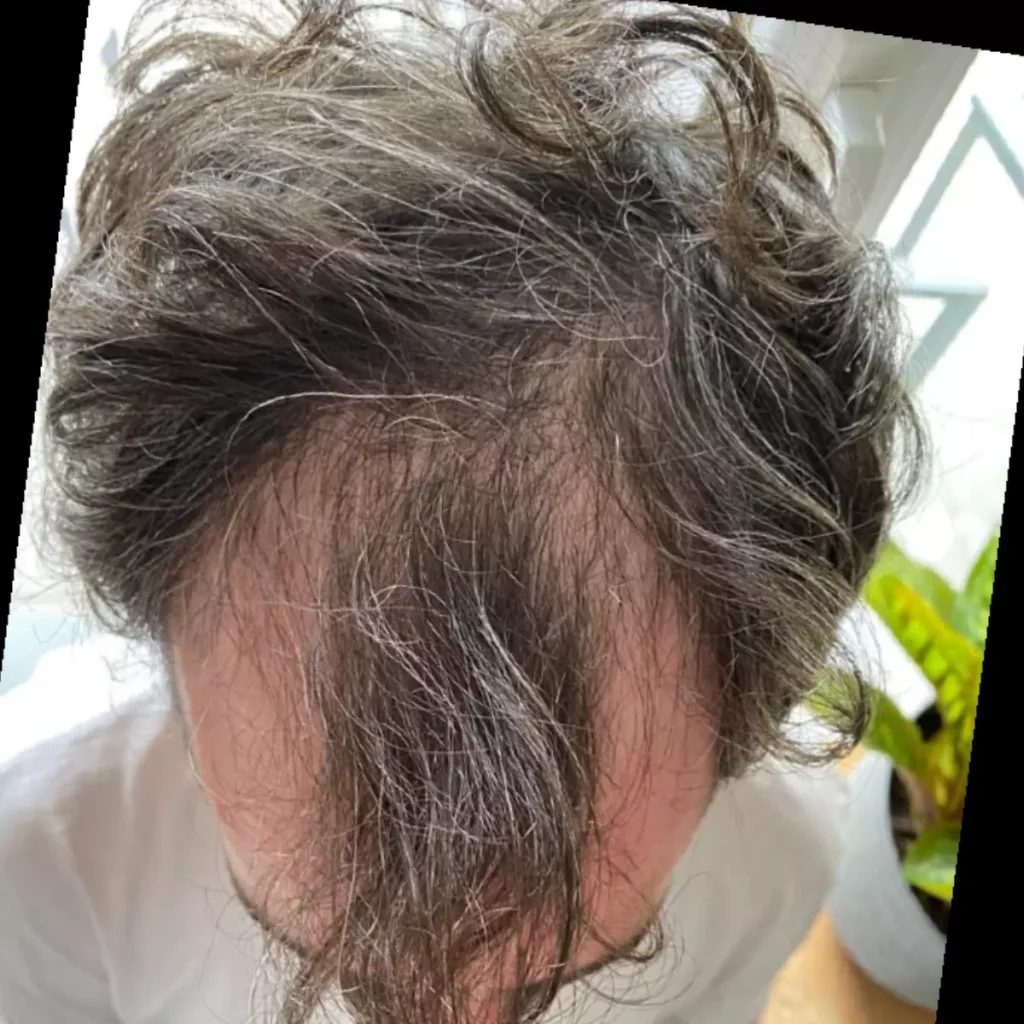
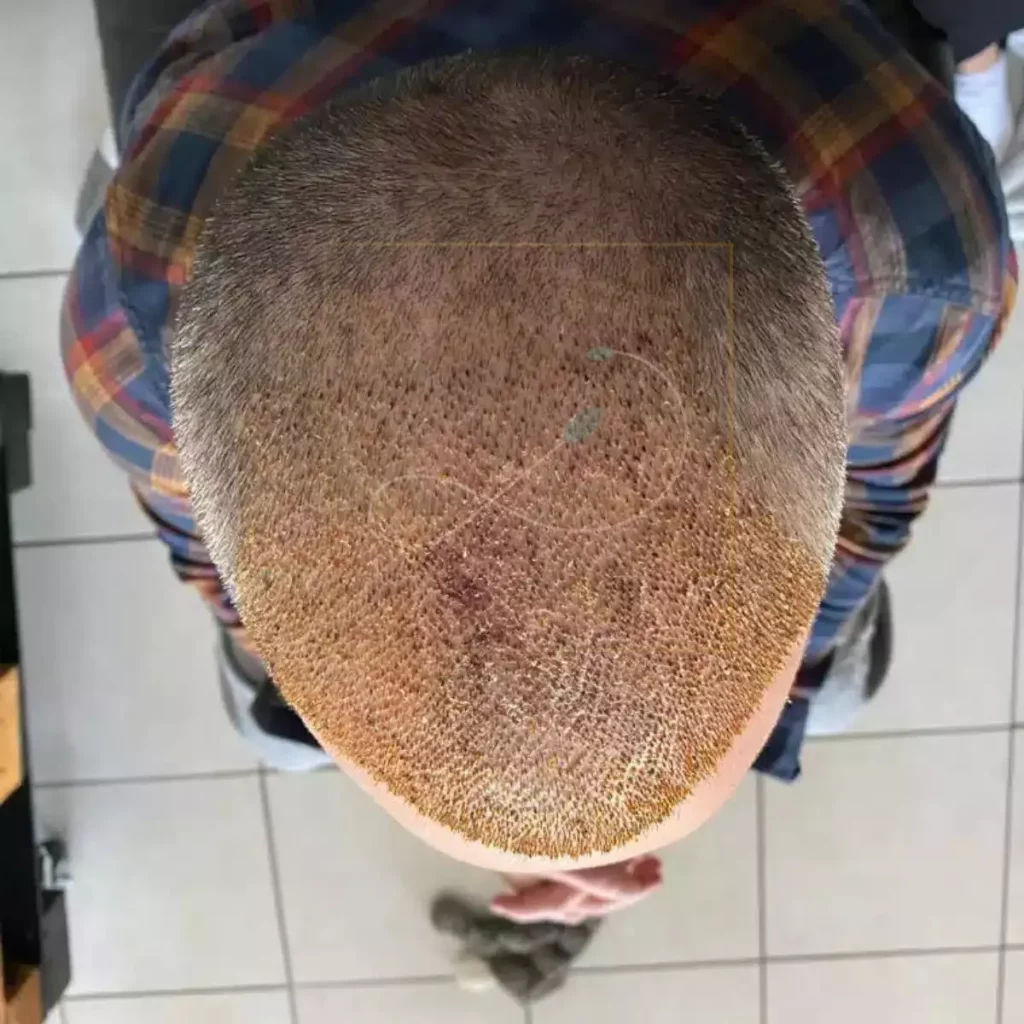
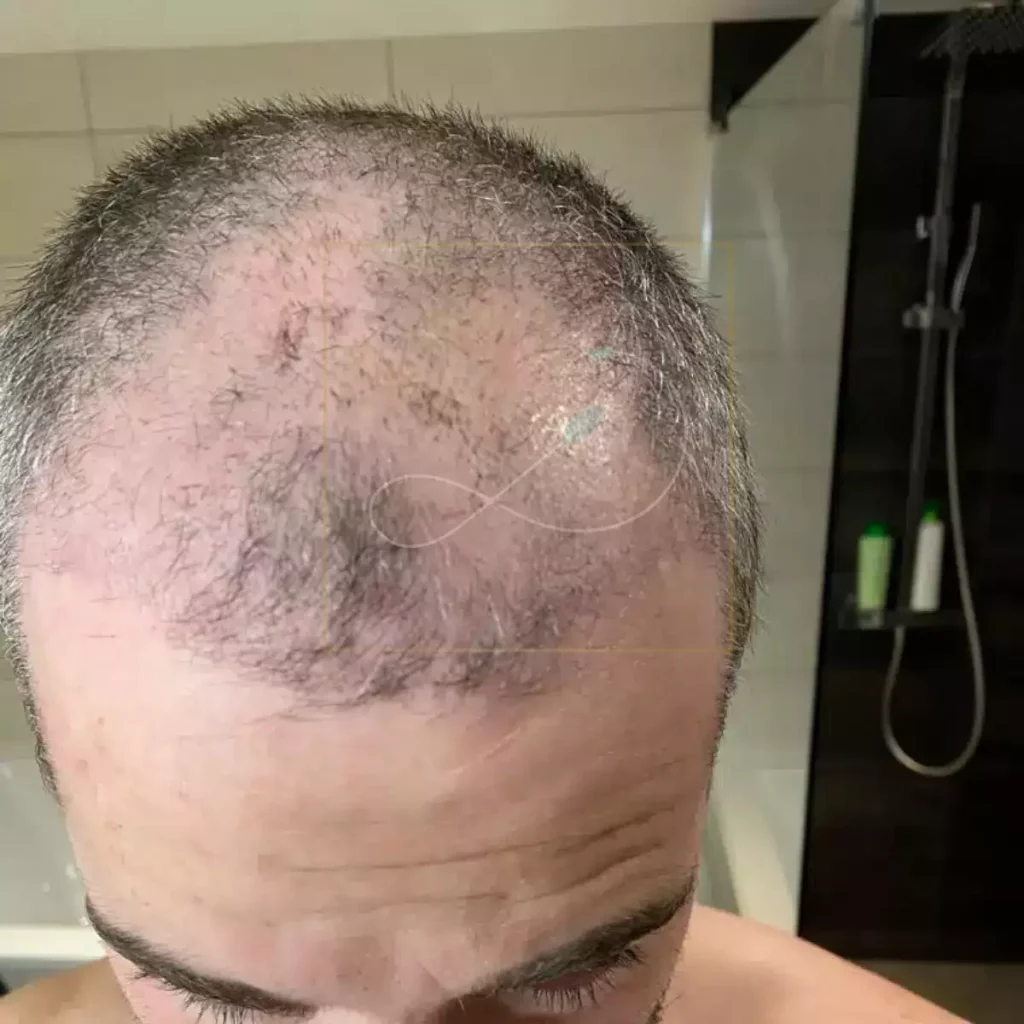
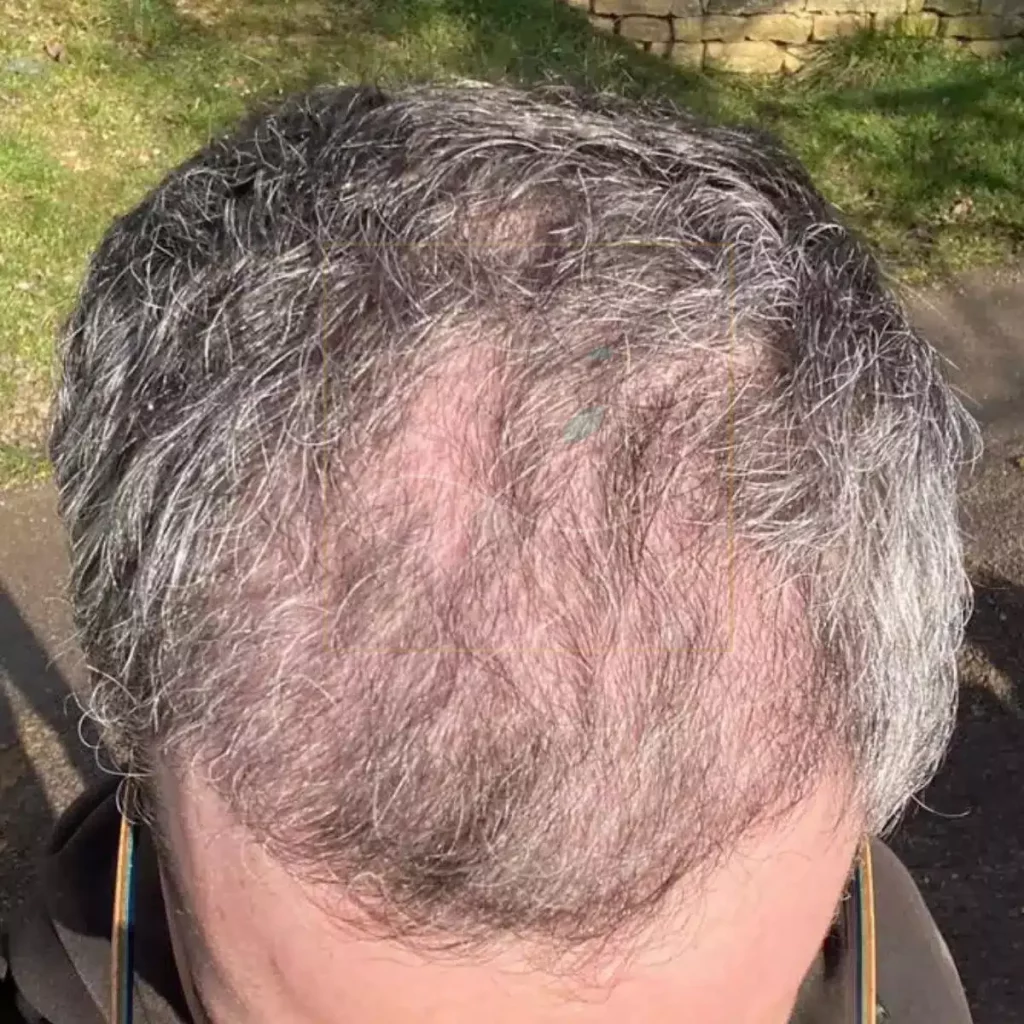
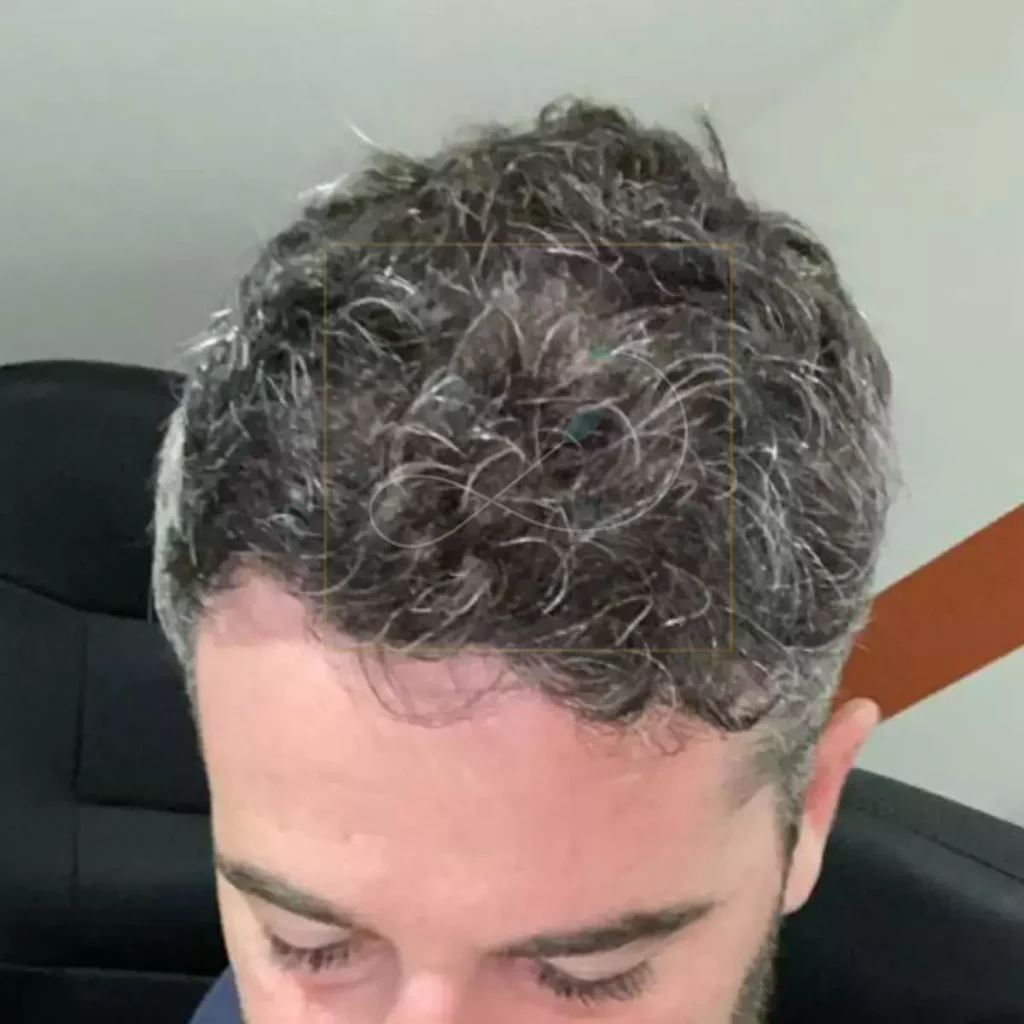
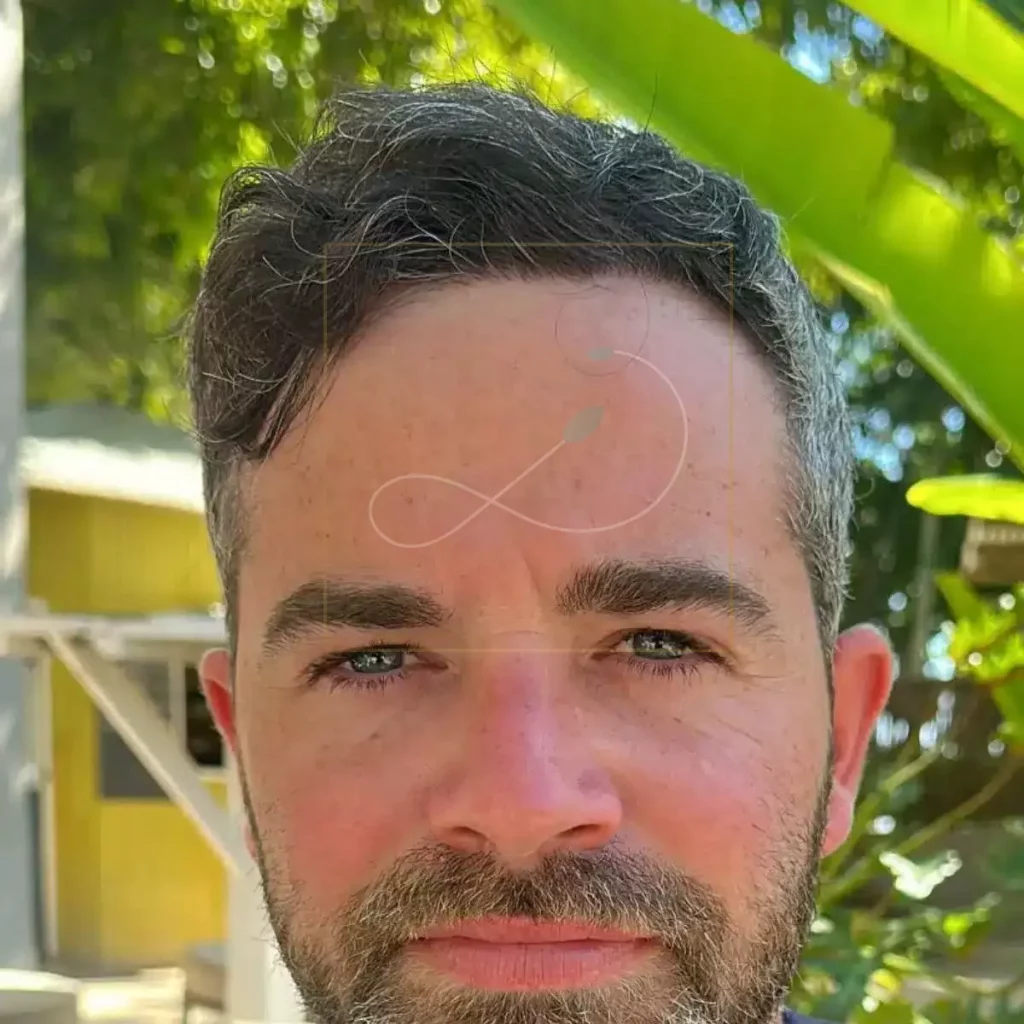
six Klineva patients, from before to after
We invite you to follow the progress of several of our patients’ transplants. Every regrowth is different: the time between stages varies.
Before
Day 1
Day 15
2 months
4 months
8 months
Before
Surgery day
Day 15
3 months
5 months
18 months
Before
1 month
3 months
6 months
8 months
10 months
Before
Day 7
1 month
5 months
6 months
10 months
Before
1 month
2 months
4 months
5 months
15 months
Before
Day 15
2 months
4 months
10 months
18 monthsHere are the milestones to keep in mind, from the operation to the final result. They show what is normal at each stage, in particular the shedding of the transplanted hairs, which comes before regrowth.
Slight discomfort, sometimes minor bleeding or bruising. Rest, and sleep on your back with your head raised. From day 5 to day 7, the grafts withstand touch better.
The scabs around the grafts fall off by themselves; by day 15 there should be none left. Do not scratch them or pull them off: this could cause an infection or poor healing.
The transplanted hairs fall out (this is known as shock loss). It is normal and temporary: the implanted follicles stay in place. This period often causes worry, so stay patient.
In general, new hair then starts to grow from the implanted follicles. Regrowth gradually restarts.
Growth speeds up. Around month 6, the result is already partial but noticeable, and some patients get a very good result before the one-year mark. Density keeps increasing.
The final result is visible (around 8 months for a beard). Your 18-month follow-up is included: the team remains available to answer your questions.
from the operation to regrowth
Just after the operationAfter a hair transplant, it is normal to feel slight discomfort, with minimal bleeding or bruising on the scalp. We give you precise instructions on the medication to take and the care to give the treated areas, and we remain available for any questions you have.
Precautions for the first few daysRest and follow the surgeon’s instructions. No exercise for 1 month (walking is possible from the first week). Avoid prolonged sun exposure and anything that could touch or rub the transplanted areas. Sleep on your back for at least a week, using the neck pillow we give you.
After a hair transplantYour scalp is healing. The scabs that form around the implanted follicles fall off by themselves during the first 15 days. Do not scratch them or pull them off: this could cause an infection or poor healing. If any are left at day 15 after surgery, contact your medical adviser.
Our patients' progressAfter healing, the transplanted hairs fall out: this is completely normal (see our article on shock loss). In general, from month 3, new hair gradually grows from the implanted follicles. The final result can be judged between 12 and 18 months.Free diagnosis from your photos.
Leave us your number: an adviser will get back to you within 24 hours. We’ll ask for the photos for your diagnosis after this first conversation, by WhatsApp or email.
The common side effects are mild. Swelling is uncommon if the instructions are followed. In some cases, slight discomfort may appear: a few bruises, sometimes swelling, all temporary and clearing up quickly during the first few weeks. Your specialist will give you a prescription to ease these effects if you experience them.
Some patients start to see results from 6 months after the operation. Don’t panic if that isn’t the case for you: the final results are seen between 12 and 18 months for a hair transplant, and after at least 8 months for a beard transplant.
• Days 5 to 7: your grafts become more resistant and are no longer at risk of falling out from a simple touch (but still avoid scratching).
• Up to day 15: the scabs fall off by themselves. If any are left at day 15 after surgery, contact your medical adviser.
• Weeks 2 to 8: shock loss, an expected and temporary phenomenon, makes the transplanted hairs fall out, which is often worrying. Be patient: in general, they start growing again from month 3.
• Months 4 to 6: growth speeds up. Around month 6, the results are already partial but noticeable, and the transplant is practically undetectable.
• Months 6 to 12: the density and volume of the transplanted hair keep increasing.
• Months 12 to 18: the final result becomes visible, sooner or later depending on the areas transplanted.
Yes, but not straight away: no exercise or scalp sweating for 1 month, as exercise can damage the grafts. After that, build back up gradually, and wait 1½ months before combat and ball sports. Walking is possible from the first week, as long as your scalp doesn’t sweat. Feel free to ask us during your follow-up, and read our article “Sport and hair transplants: recommendations before and after the operation”.
Yes, it is part of the healing process. Avoid scratching vigorously and ask our team for advice on soothing products.
We give you recommendations on the products to use. In general, we advise gentle, paraben-free products suited to your hair type.
The techniques offered by the clinic, and the guides that take this page further.
An adviser will get back to you. We’ll ask for the photos for your diagnosis after this first conversation.
Your request has been sent. A Klineva adviser will get back to you within 24 hours.